

Welcome to my Lifestyle Parenting Blog, where I explore topics related to chronic illnesses such as ME/CFS, chronic pain, and fibromyalgia while embracing a passion for yoga, books, and blogging.
50 Gentle Affirmations for Chronic Illness That I Actually Use on Hard Days
Before I started using affirmations, I did not really believe in them.
They felt a bit forced. A bit too positive. A bit disconnected from the reality of living in a body that does not always cooperate.
When you are dealing with chronic illness, whether that is chronic fatigue, fibromyalgia, or something else entirely, your day is not built on motivation. It is built on managing energy, symptoms, and uncertainty. Some days you are just trying to get through

11 Bathroom Aids for ME CFS and Fibromyalgia That Make Daily Life Easier
There is something about the bathroom that people do not talk about enough when it comes to chronic illness. It is one of the smallest rooms in the house, yet it can demand so much energy. Standing, bending, reaching, balancing, heat, steam, noise, bright lights.
I have had days where washing my hair has taken everything out of me. Days where I have sat on the floor because standing felt impossible.

From a Trapped Nerve to Chronic Neck Pain: My Diagnosis Years Later
I still remember the first time it happened.
At the time, I thought I had just slept funny. A stiff neck, a bit of pain, something that would ease off in a few days if I rested and took some pain relief. But it wasn’t that simple, and looking back now, I can see that was the beginning of something much bigger.

Travelling with Chronic Illness: What I Have Learned the Hard Way
There is a version of me that still exists in memory, the one who could pack a bag in twenty minutes, book something spontaneous, and just go. No planning around energy. No second guessing whether my body would cooperate. No quiet fear sitting in the background.
Living with ME CFS and fibromyalgia has changed that completely. Travel is no longer just about where I am going. It is about how much it will cost me physically, how long recovery will take, and whether the experience will be worth the inevitable crash that often follows.

How I Practice Daily Affirmations While Living With ME CFS and Fibromyalgia and Why They Matter
Living with ME CFS and fibromyalgia has changed the way I speak to myself more than anything else in my life. Not in a motivational quote kind of way, but in a quiet, often fragile, very human way. When your body becomes unpredictable, when your energy disappears without warning, and when even simple tasks can feel like climbing a mountain, your internal dialogue can either become your harshest critic or your gentlest support.
For a long time, mine was not kind
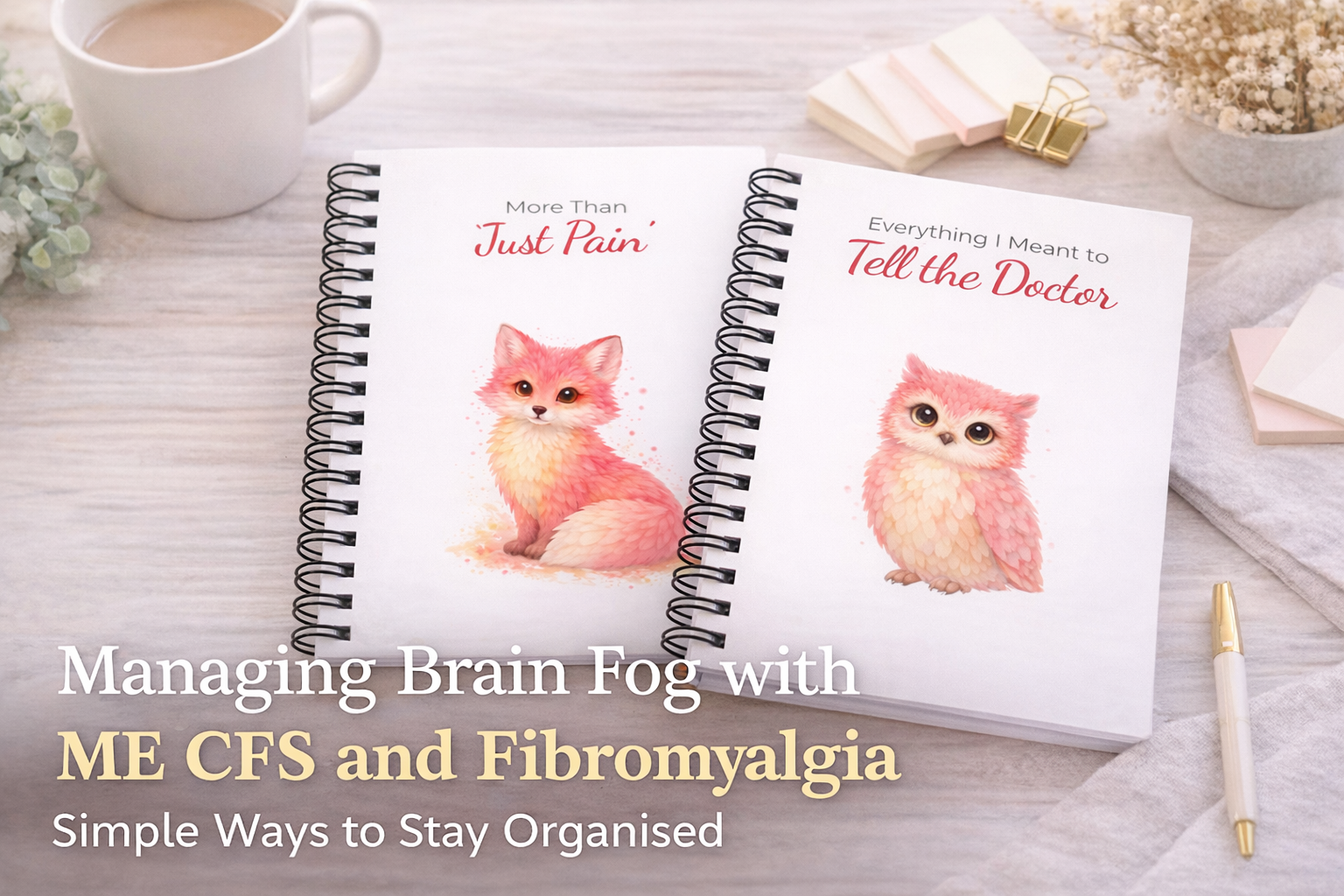
How to Manage Brain Fog with ME CFS and Fibromyalgia: Simple Ways to Stay Organised
Brain fog is one of those symptoms that is so hard to explain unless you are living it. It is not just forgetfulness. It is not just feeling a bit tired or distracted. It is like someone has wrapped your thoughts in cotton wool and then turned the lights down. Words disappear mid sentence. Simple tasks feel complicated. I can walk into a room and have no idea why I am there, and sometimes even forming a sentence feels like wading through mud.
Living with ME CFS and fibromyalgia means that brain fog is not an occasional inconvenience.
When Appointments Become Too Much: Appointment Fatigue with Chronic Illness
March has been one of those months that has quietly crept up on me and then completely taken over. It has been filled with appointments, tests, referrals, follow ups, and more waiting than I ever feel prepared for. On paper, I have managed quite well. I have shown up. I have answered the questions. I have done what needed to be done.
But underneath that, something else has been building.
That familiar feeling of appointment fatigue.

How My Parenting Style Changed When I Became Chronically Ill
There is a version of me that existed before chronic illness. I can still picture it clearly. I moved quickly, thought quickly, and parented in a way that felt instinctive and responsive. I was always doing, always planning, always showing up in the ways I believed a “good parent” should.
Then came ME CFS and fibromyalgia, and everything I thought I knew about parenting quietly unravelled.

Helpful Examples and Tips for Chronic Illness Pacing
Pacing is one of those things I had to learn slowly, and honestly, often the hard way.
When I was first told about pacing with ME CFS and fibromyalgia, it sounded simple enough. Rest before you overdo it. Stay within your limits. Avoid crashes.
But no one really explains what that actually looks like in real life.

Gentle Hobbies for Parents Living with Chronic Illness
Living with ME CFS and fibromyalgia has changed many parts of my life in massive ways, but the part I have worked hardest to protect is the relationship I have with my husband, my sons and my daughter. When your energy is limited, when pain flares up without warning, and when even simple daily tasks can feel overwhelming, it can be easy to slip into guilt
When Brain Fog Hits at the Doctor: Forgetting Symptoms During Medical Appointments
There is anger, disappointment and frustration that comes with finally getting a medical appointment and then walking out realising you forgot to say half of what you meant to.
If you live with a chronic illness, you will probably recognise this feeling. You wait weeks, sometimes months, for an appointment with a doctor, surgeon, or consultant.

When Your Jaw Stops Cooperating: A Health Update with ME CFS, Fibromyalgia and TMJ
Living with chronic illness means medical appointments quietly become markers in time. Weeks or months pass waiting for them, and then suddenly you are sitting in a consultation room trying to summarise a complicated body in a few short sentences.
I recently had another appointment with the TMJ surgeon who will be treating my jaw problems.

My Bucket List Changed When I Became Chronically Ill
I never sat down and wrote an official bucket list. I was not someone who pinned grand ambitions to a corkboard or talked about ticking things off before a certain age. But like most people, I carried a quiet list in my head. A collection of assumptions really. Things I thought I would do later. Things that felt inevitable rather than urgent.

The Hidden Cost of Hospital Stays When You Already Live with Chronic Illness
Being ill and having stays in hospitals is expensive. That is probably the clearest lesson the last couple of years have taught me. Not in an abstract, policy discussion kind of way. Not in a what if this happened sense. But in a lived, counted, receipts in my bag, fuel gauge blinking, body already exhausted kind of way.
I have lived with ME CFS for long enough to understand that illness already costs more than people realise. Appointments. Prescriptions. Travel. The quiet extras you never plan for. But hospital stays are a different level of expensive. They come with urgency. With fear. With decisions made quickly, while you are already stretched thin. And when several of those stays happen close together, the financial impact does not politely wait for you to recover.
It started with my younger son.
Buying Walking Crutches Gave Me Back Part of My Life With Chronic Illness
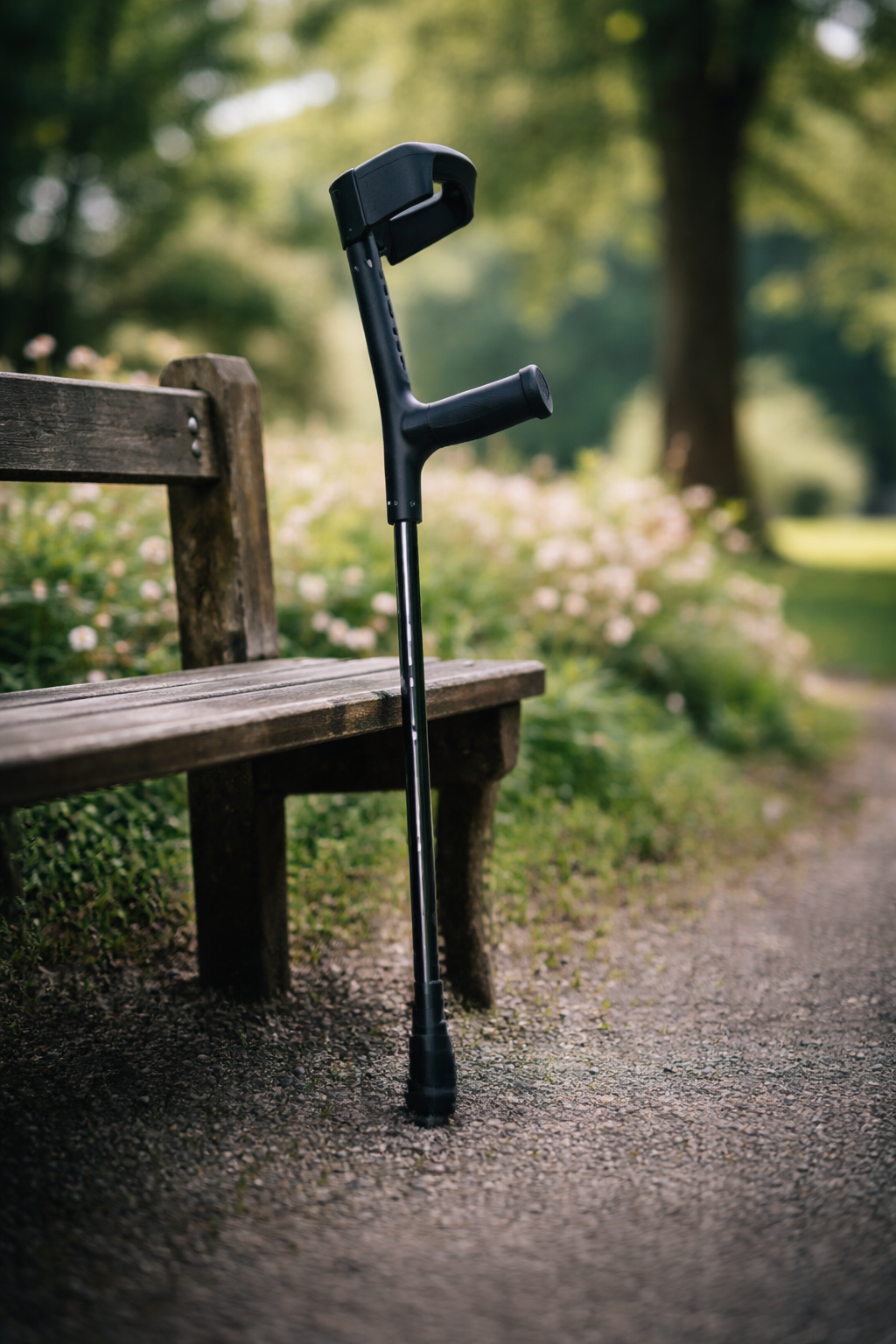
Buying walking crutches has been one of the best decisions I have made during my chronic illness journey. I have been using them for well over a year or two now, and that still feels strange to write. For a long time, I told myself I did not need them. I told myself I was not there yet. I told myself they would be an inconvenience. I convinced myself that using crutches would mean I had somehow failed at coping with my illness. Looking back, I can see how wrong I was on every single count.

Low Energy Hobbies for Chronic Illness: Gentle Activities for Flare Days
There is a very particular kind of quiet that comes with a flare day.
It is not peaceful. It is not restorative. It is the quiet of a body that has shut you down without warning. The quiet of plans cancelled, messages unanswered, the world continuing without you while you lie still and try not to make things worse.
Living with ME CFS has changed how I understand hobbies completely. Before illness, hobbies were about improvement, productivity, growth.

Why I Insist on Calling It ME: The Truth Beyond Chronic Fatigue Syndrome
I refuse to call it CFS. From my perspective, ME is not just chronic fatigue syndrome. It is so much more than that. The renaming of ME to CFS in the 1980s, while perhaps intended to make the illness more accessible to doctors or the public, inadvertently caused stigma. Chronic fatigue, as a term, trivialises the reality of this disease. Anyone can feel fatigued after a busy week, a sleepless night, or an intense workout. But ME is not that kind of tired. It is a full-body, mind-and-spirit exhaustion that goes beyond what words like fatigue or tiredness can convey.

Living with Chronic Illness: Is it possible to have a good quality life
For a long time I believed this question had only one honest answer, and it was no. Not because I was dramatic or negative, but because my understanding of a good quality life was built on a body that worked, energy I could rely on, and a future that felt open rather than conditional. When you live with ME CFS, fibromyalgia and other chronic illnesses, those reference points quietly collapse. Not all at once. More like erosion. You keep expecting and hoping the old shape of life to reappear, and it never quite does.

How I Handle Flare-ups Personal Tips From Living With ME CFS
Flare-ups are not neat. They do not announce themselves politely or follow a predictable pattern. They arrive quietly or suddenly, and once they are here, everything else has to move aside. Living with ME CFS has taught me that flare-ups are not something to push through or power past. They are something to meet where I am, even when I do not like where that is.
Over time, I have learned that how I handle flare-ups can make the difference between a shorter crash and a much deeper one. None of this is about curing anything or fixing my body.

What Functioning Actually Looks Like When You’re Chronically Ill
Nicole Pedra’s video popped up on my Facebook feed the other day. One of those moments where you stop scrolling without even realising you’ve stopped. I watched it once, then again, nodding along. It felt like my body was responding before my brain had time to catch up. I followed her straight away.
It was titled Things Chronically Ill People Do Just To Function, and honestly,