

Welcome to my Lifestyle Parenting Blog, where I explore topics related to chronic illnesses such as ME/CFS, chronic pain, and fibromyalgia while embracing a passion for yoga, books, and blogging.
Chronic Illness and Affirmations: Finding Words That Support Me Instead of Shame Me
When I first came across affirmations, I will admit I was sceptical.
At the time, I was struggling to come to terms with life with ME/CFS and fibromyalgia. My world had become smaller, my energy was unpredictable, and I was carrying a level of grief that I did not yet have words for. Everywhere I looked online, affirmations seemed to focus on positivity, success, abundance, and becoming the best version of yourself.
We Are Not Villains: Living With Chronic Illness, And The Weight Of Public Judgment
There has been a real shift in the way disabled people, chronically ill people, and benefit claimants are being spoken about online, in the media, and sometimes even in everyday conversations. It is harsher. Colder. Like there is this growing anger directed at people who are already struggling just to get through the day.
I keep seeing words like “scroungers”, “lazy”,
Heatwaves And Chronic Illness: Surviving When Your Body Already Struggles
Every year, the moment the weather starts warming up, people get excited. Social media fills with pub gardens, beach trips, barbecues, iced coffees, and endless comments about “finally getting some proper sunshine.”
Honestly, I get it.
But living with chronic illness during a heatwave feels like existing in a completely different version of summer than everyone else.
While other people are enjoying the heat, my body is fighting it constantly.
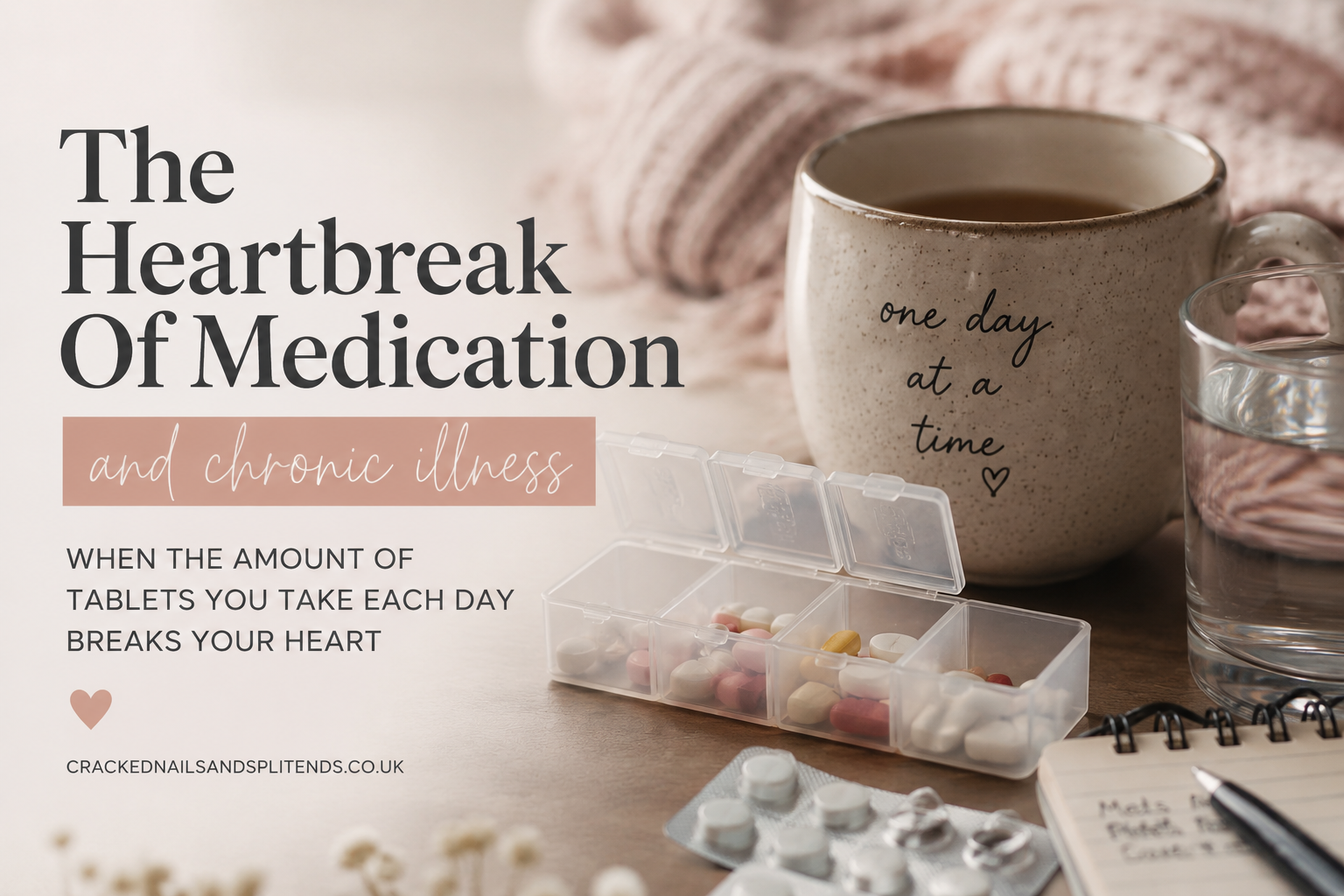
The Heartbreak Of Medication And Chronic Illness
You know, there's this whole emotional side to taking medication that I feel like we don't really get to talk about enough.
Sure, folks discuss side effects, doctors go over dosages, pharmacists remind you about timing or interactions. But the actual feeling of looking at a pile of pills and realising, 'Okay, this is my everyday now,' that's what often gets left out of the conversation.
And honestly, lately, that's what's been hitting me hardest.
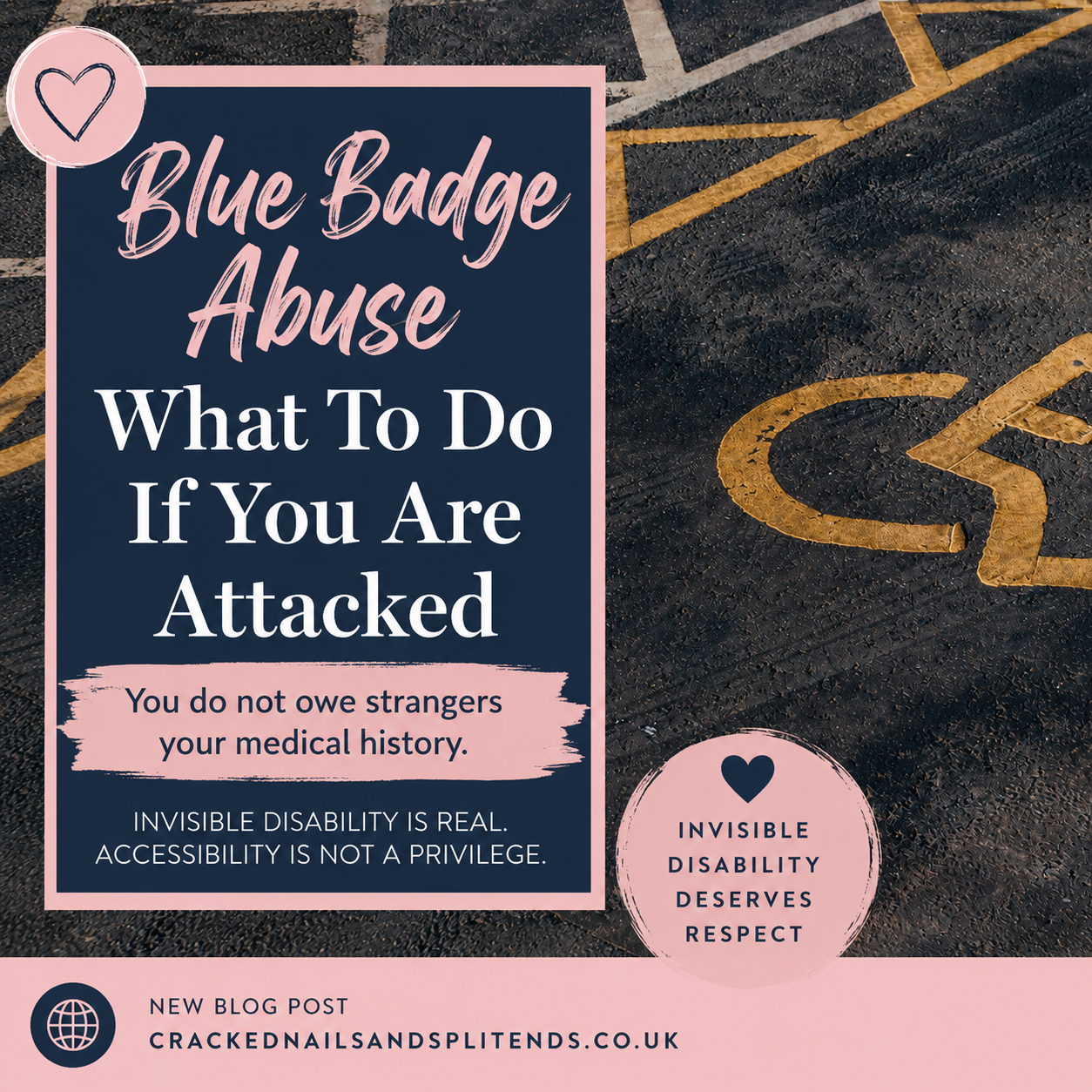
Blue Badge Abuse and Disability Harassment: What To Do If You Are Attacked
There is something deeply unsettling happening at the moment around disability in the UK. You can feel it online, in newspaper headlines, in comment sections, and sometimes even standing in a supermarket car park trying to mind your own business.
Ever since all the recent conversations around PIP, benefit cuts, disability assessments, mobility cars, and
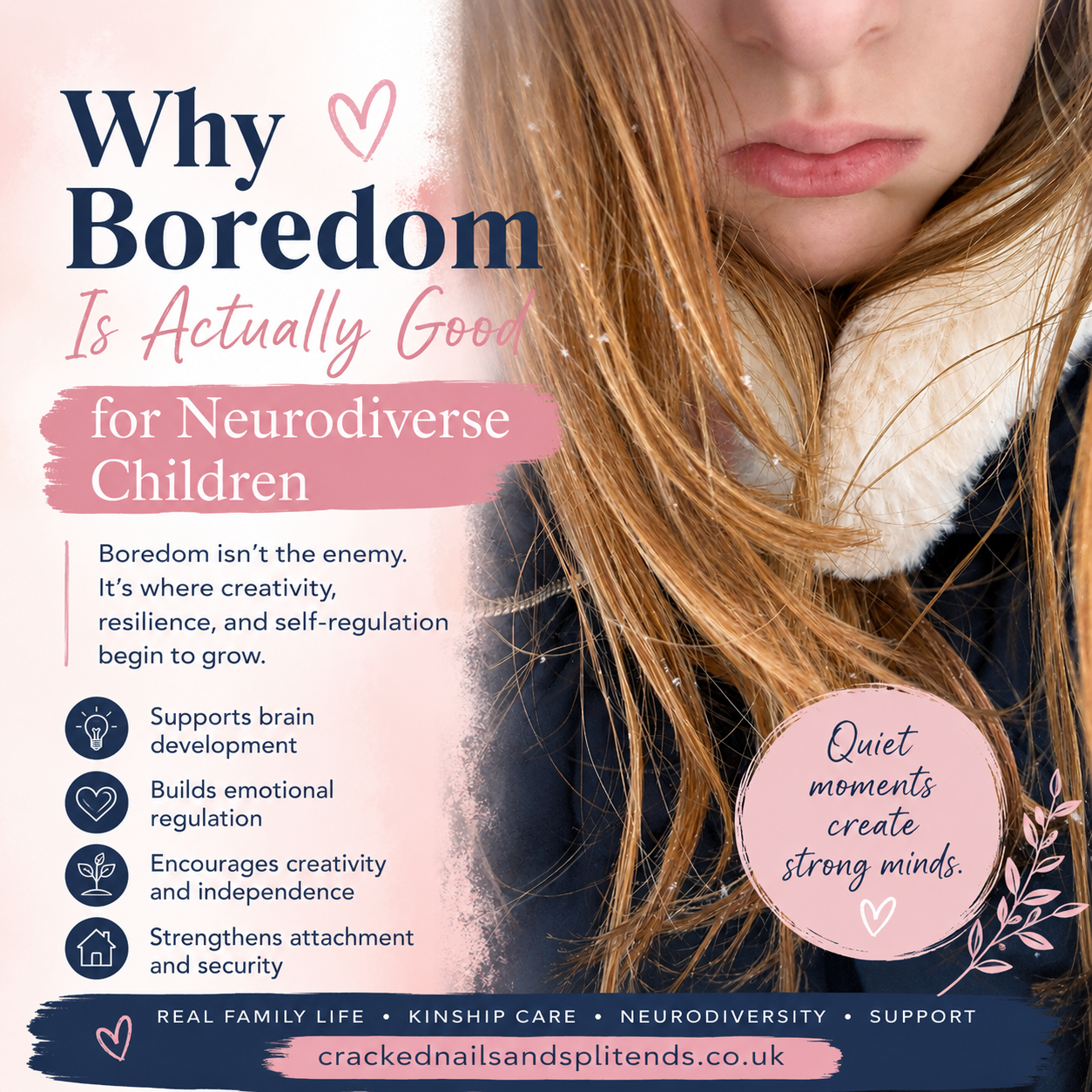
Why It Is Important That Children Experience Being Bored Often
If you are reading this, you are likely part of the unique and often challenging world of kinship care, special guardianship, or parenting neurodiverse children. You know the daily juggle, the emotional load, and the constant need to be everything to your child all at once. It is a role that requires immense patience, resilience, and love, but it also comes with its own specific set of pressures and anxieties.
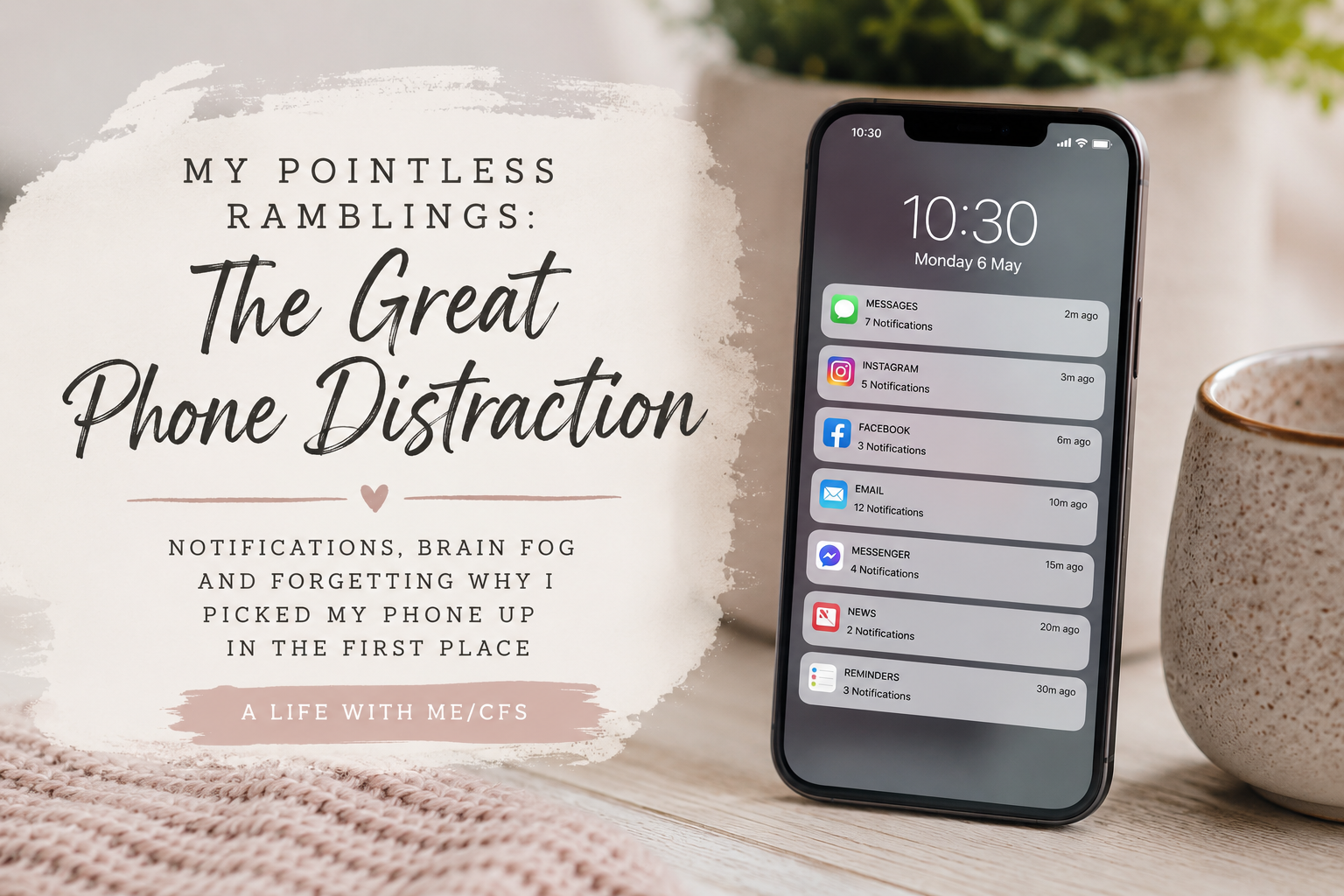
My Pointless Ramblings: Why I Forget What I Picked My Phone Up For
I do not know exactly when phones stopped being tools and started becoming little attention traps we carry around in our pockets, but lately I have become so aware of how much mental energy mine quietly steals from me every single day.
It usually starts innocently.
I unlock my phone for one simple reason.
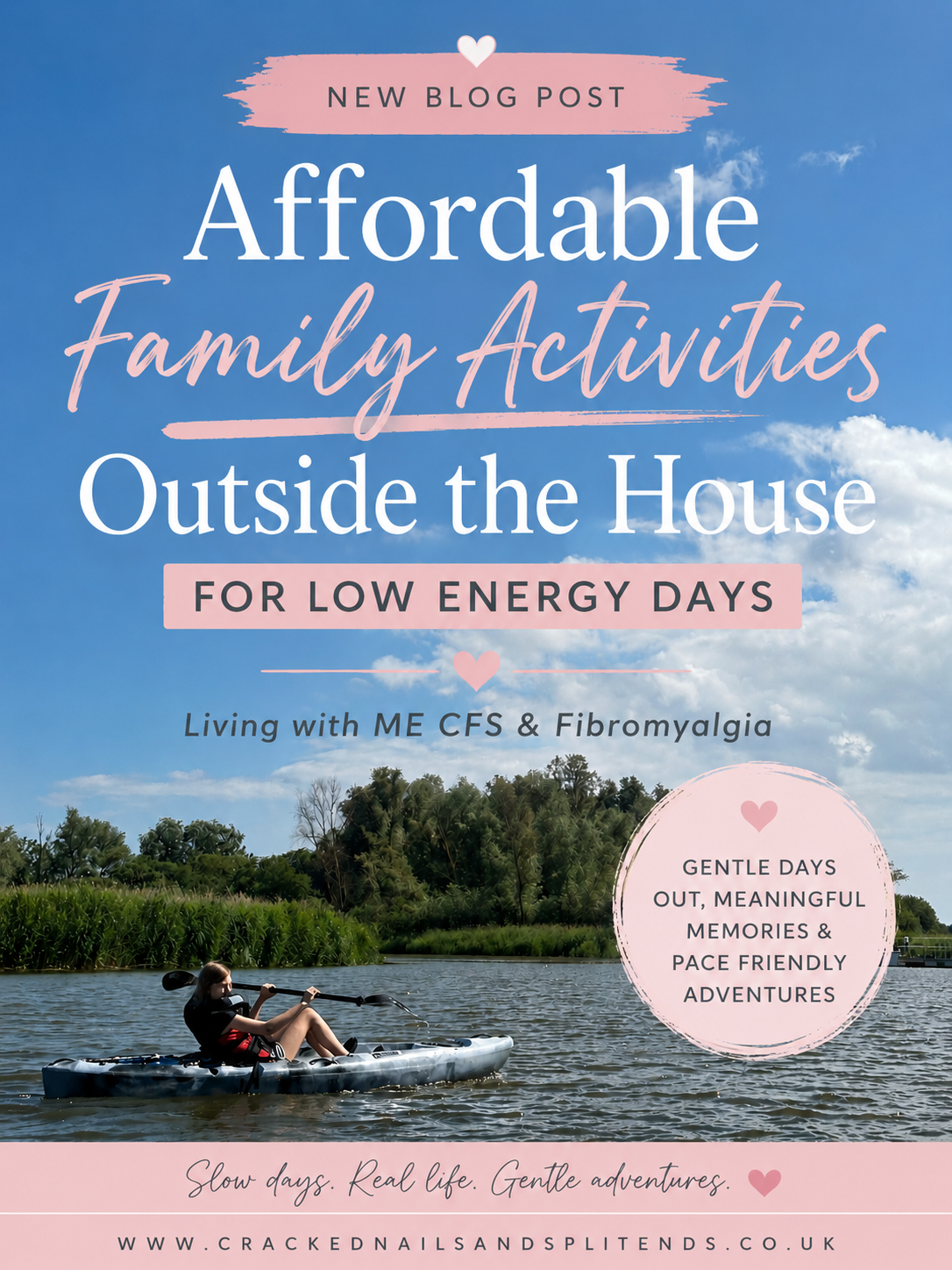
5 Affordable Family Activities Outside the House for Low Energy Days
Living with ME CFS and fibromyalgia has completely changed the way I think about family days out.
There was a time when I believed outings had to be busy, exciting, and packed with activities to feel meaningful. Full day adventures. Endless walking. Busy attractions. Trying to fit as much as possible into one day because that was what family life was supposed to look like.
Now I know differently.
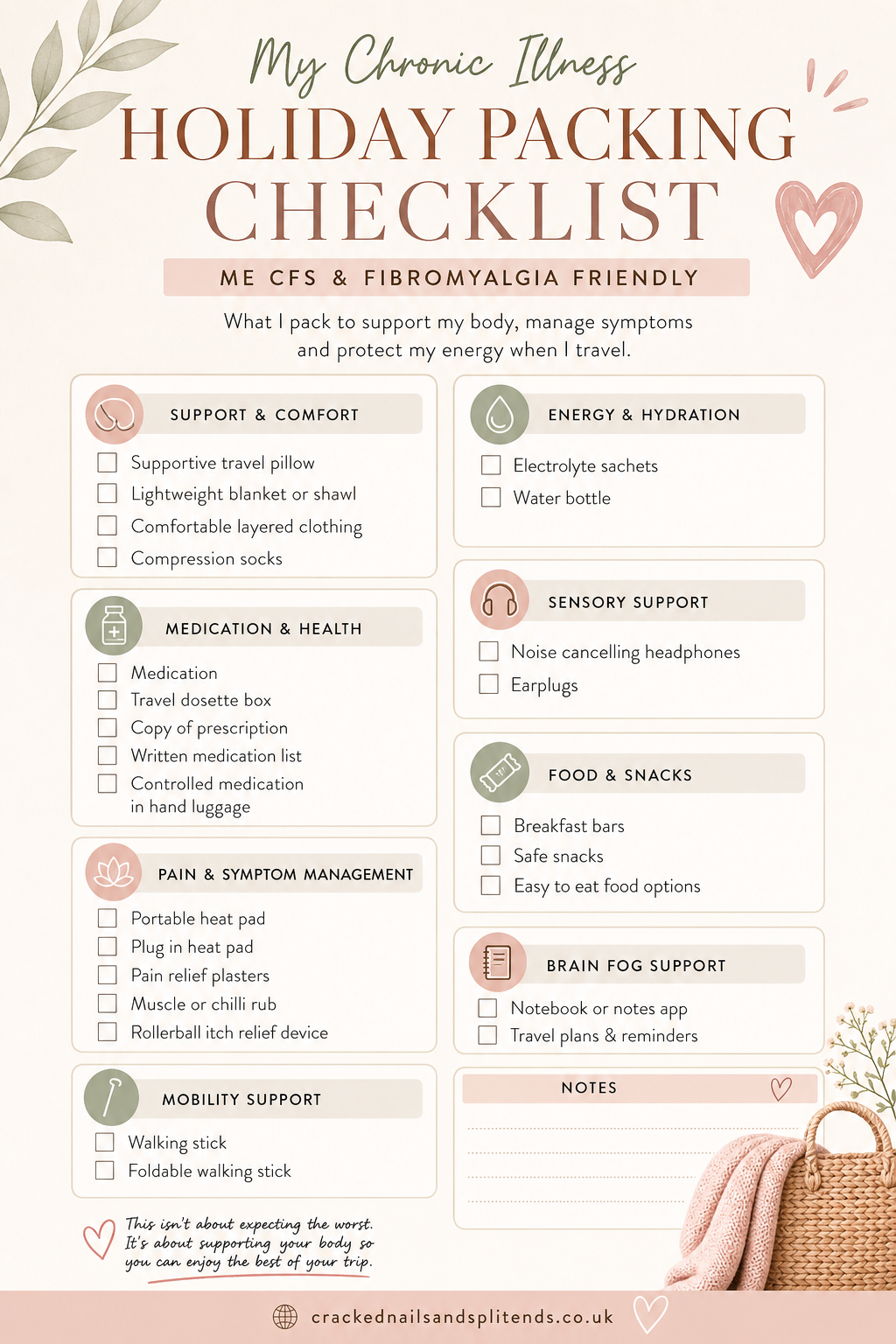
13 Aid Items I Pack for a Holiday Living with ME CFS and Fibromyalgia
Holidays now come with planning, pacing, and a fair amount of trial and error.
When you live with ME CFS and fibromyalgia, you do not just pack clothes and toiletries. You pack for energy management, pain relief, sensory regulation, and the unpredictability that comes with chronic illness. Over the years, I have refined what I bring, and these are the items I now consider essential.

Why Neurodiverse Kids Do It: Breaking Rules And Sneaking Explained
So what do you do instead? You have to change how you approach things. You have to stop seeing it as bad behaviour and start seeing it as unmet needs or developmental delay. You have to find consequences that actually make sense to their way of thinking.
Recently I tried something that actually seemed to click. My daughter had been sneaking her phone and staying up for hours and hours. We added it up and realised she had spent eighteen hours during the night that week on her device when she should have been sleeping.

My TMJ Journey: From Gum Pain to Jaw Lock and Surgery
I still remember writing that post back in 2013. “Ouch, my gums.” At the time, it felt like a very specific problem. Painful, frustrating, but contained. Something I thought would pass, or at least settle into the background of my life like so many other health niggles had before.
Looking back now, I can see it for what it really was. The beginning of my TMJ journey.
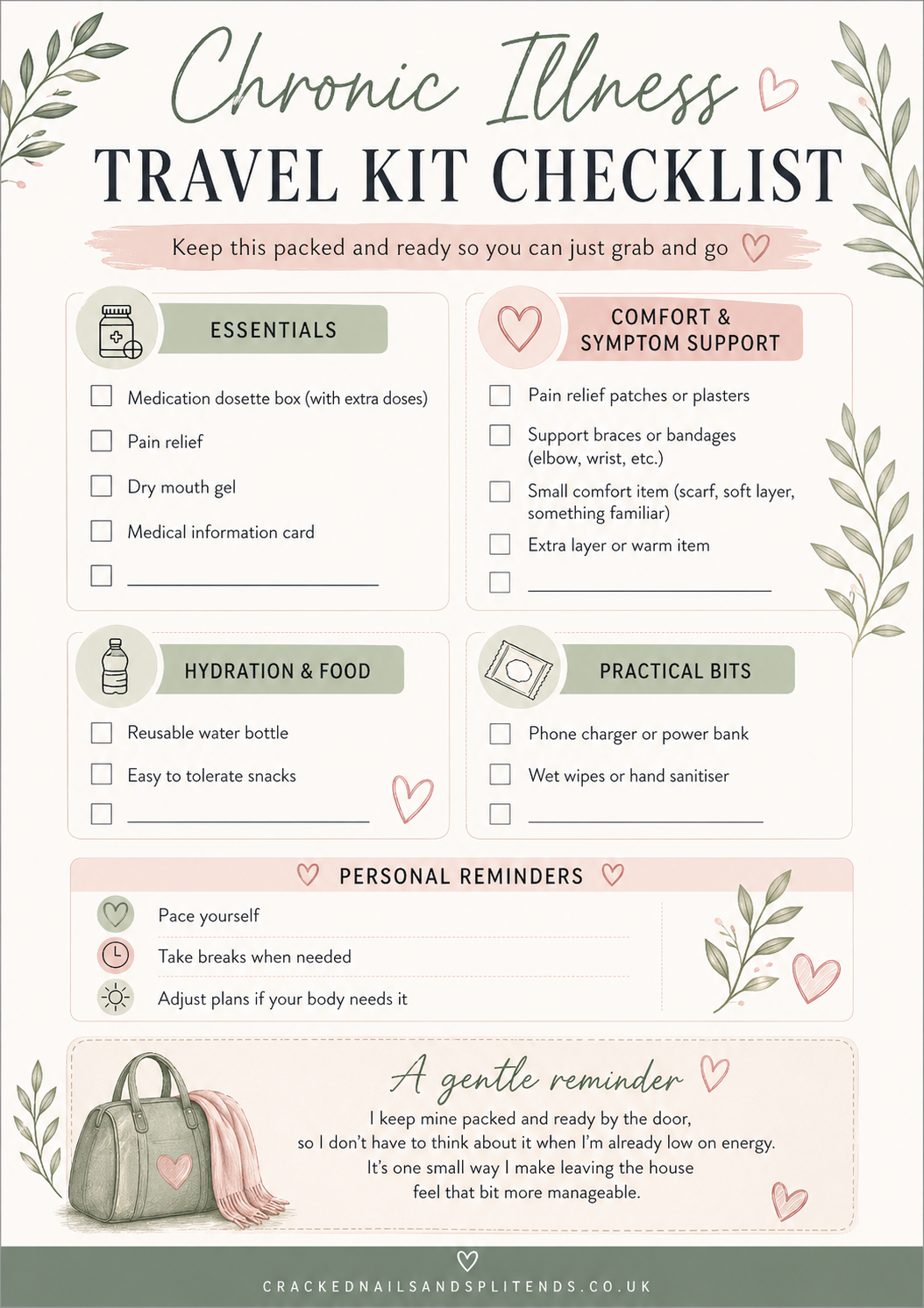
My Chronic Illness Travel Kit. What I Wish I Packed for a 6 Hour Trip
I had my TMJ appointment today and it ended up being a six hour round trip. The kind of day that sounds manageable when you first say yes to it, and then quietly unravels your energy, your pain levels, and your patience as the hours tick by.
I thought I had prepared well enough.
I packed my afternoon medication. I had my ninja water bottle with me.
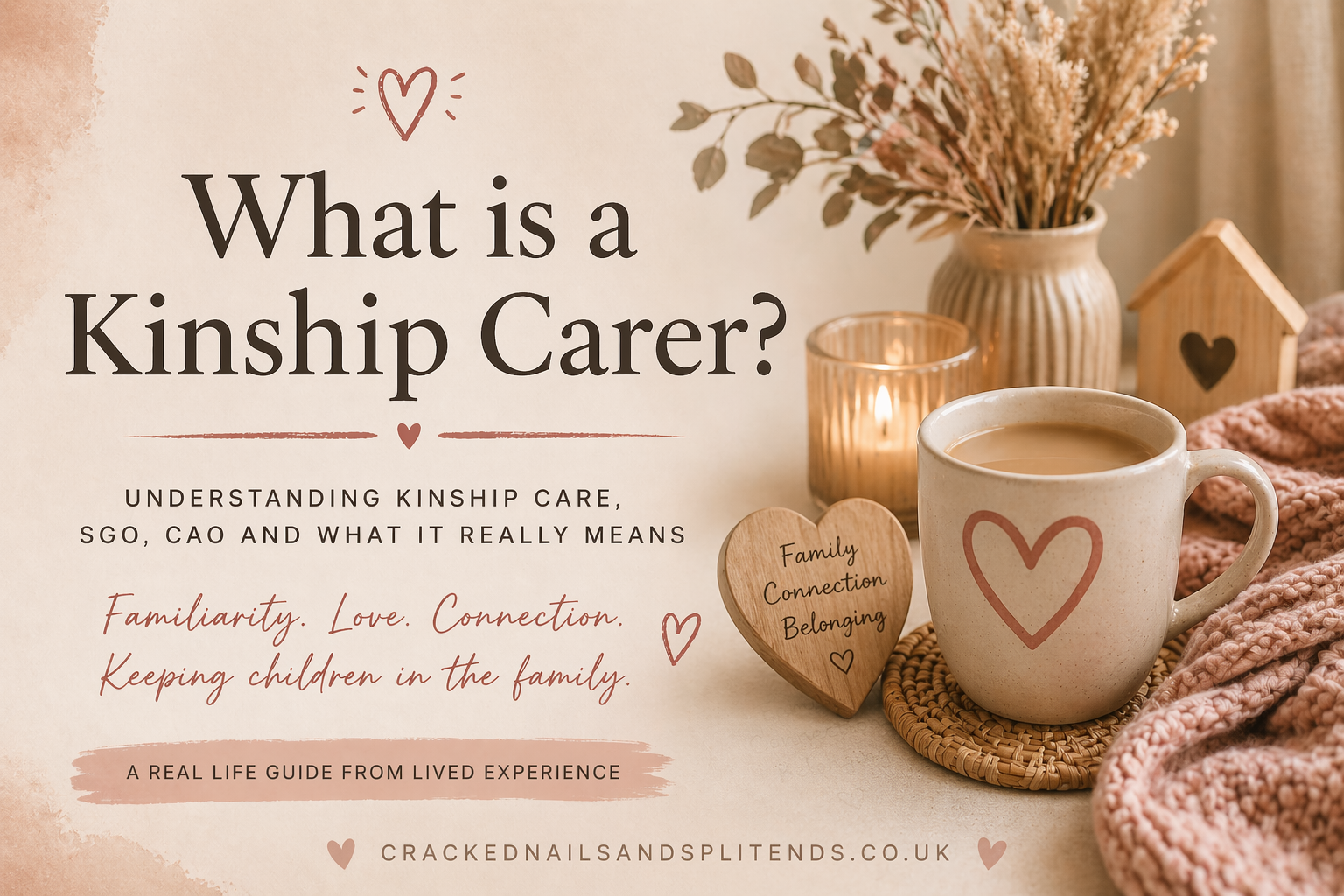
What is a Kinship Carer? Understanding Kinship Care, SGO and CAO
It’s when family or friends step in and essentially stop a child from going into the care system with strangers.
Kinship care means familiarity, love, connection and so much more. It is about keeping a child within their family network, with people they already know, trust and feel safe with.
In simple terms, a kinship carer is someone who cares for a child when their birth parents are unable to, and instead of the child entering foster care, they remain within their extended family or close relationships.
50 Gentle Affirmations for Chronic Illness That I Actually Use on Hard Days
Before I started using affirmations, I did not really believe in them.
They felt a bit forced. A bit too positive. A bit disconnected from the reality of living in a body that does not always cooperate.
When you are dealing with chronic illness, whether that is chronic fatigue, fibromyalgia, or something else entirely, your day is not built on motivation. It is built on managing energy, symptoms, and uncertainty. Some days you are just trying to get through

11 Bathroom Aids for ME CFS and Fibromyalgia That Make Daily Life Easier
There is something about the bathroom that people do not talk about enough when it comes to chronic illness. It is one of the smallest rooms in the house, yet it can demand so much energy. Standing, bending, reaching, balancing, heat, steam, noise, bright lights.
I have had days where washing my hair has taken everything out of me. Days where I have sat on the floor because standing felt impossible.

What Steps to Take When an SGO Is Failing: Real Support for Kinship Carers
There was a point where everything felt like it was slipping.
Not in a dramatic, obvious way. It was quieter than that. A slow build of pressure, behaviours escalating, school becoming harder, and home starting to feel less like a place of safety and more like a place of constant firefighting.
We had our Special Guardianship Order. On paper, we had permanence. We had done everything we were supposed to do.
But in reality, we were struggling.

From a Trapped Nerve to Chronic Neck Pain: My Diagnosis Years Later
I still remember the first time it happened.
At the time, I thought I had just slept funny. A stiff neck, a bit of pain, something that would ease off in a few days if I rested and took some pain relief. But it wasn’t that simple, and looking back now, I can see that was the beginning of something much bigger.

Travelling with Chronic Illness: What I Have Learned the Hard Way
There is a version of me that still exists in memory, the one who could pack a bag in twenty minutes, book something spontaneous, and just go. No planning around energy. No second guessing whether my body would cooperate. No quiet fear sitting in the background.
Living with ME CFS and fibromyalgia has changed that completely. Travel is no longer just about where I am going. It is about how much it will cost me physically, how long recovery will take, and whether the experience will be worth the inevitable crash that often follows.

How I Practice Daily Affirmations While Living With ME CFS and Fibromyalgia and Why They Matter
Living with ME CFS and fibromyalgia has changed the way I speak to myself more than anything else in my life. Not in a motivational quote kind of way, but in a quiet, often fragile, very human way. When your body becomes unpredictable, when your energy disappears without warning, and when even simple tasks can feel like climbing a mountain, your internal dialogue can either become your harshest critic or your gentlest support.
For a long time, mine was not kind
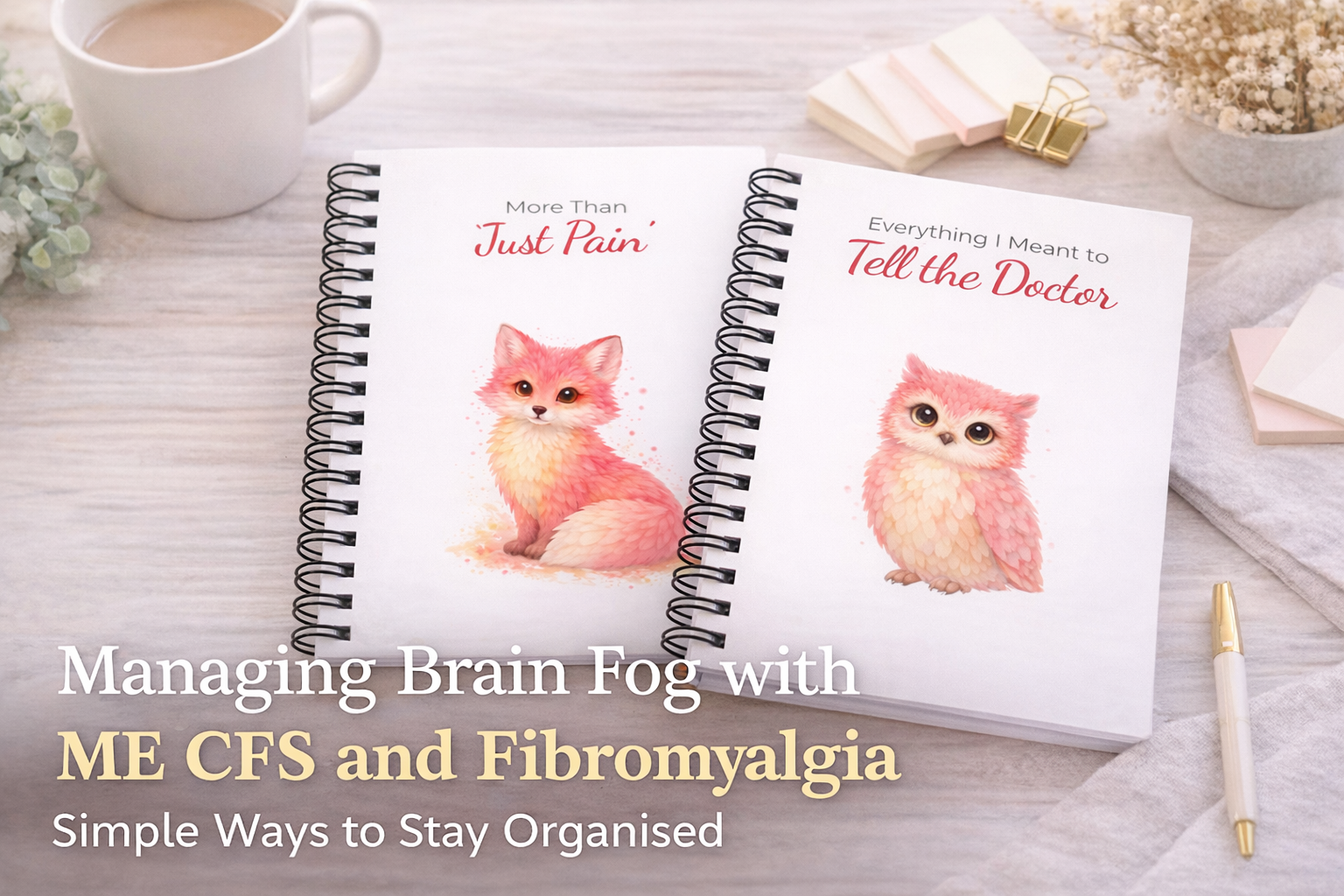
How to Manage Brain Fog with ME CFS and Fibromyalgia: Simple Ways to Stay Organised
Brain fog is one of those symptoms that is so hard to explain unless you are living it. It is not just forgetfulness. It is not just feeling a bit tired or distracted. It is like someone has wrapped your thoughts in cotton wool and then turned the lights down. Words disappear mid sentence. Simple tasks feel complicated. I can walk into a room and have no idea why I am there, and sometimes even forming a sentence feels like wading through mud.
Living with ME CFS and fibromyalgia means that brain fog is not an occasional inconvenience.