Buying Walking Crutches Gave Me Back Part of My Life With Chronic Illness
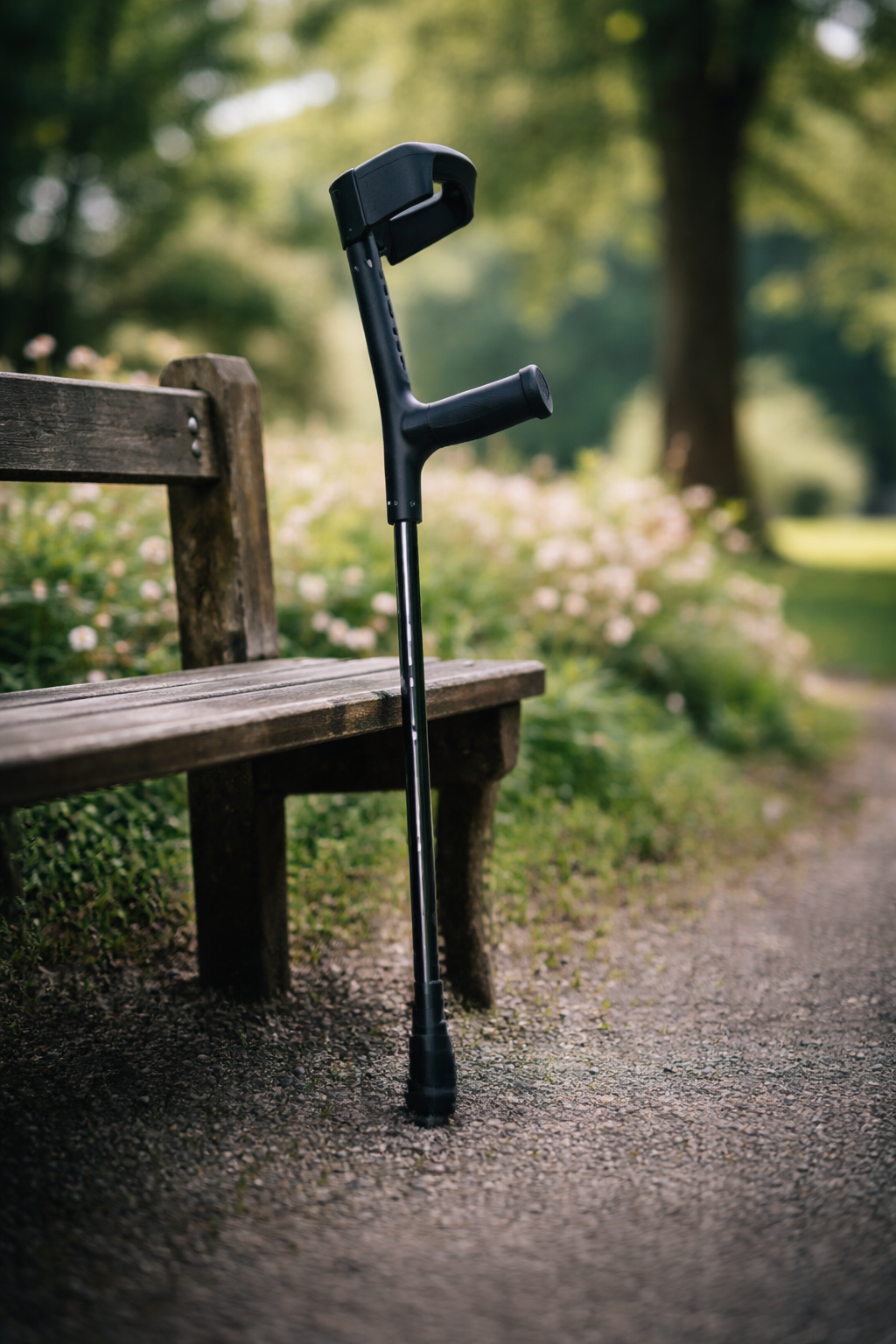
Buying walking crutches has been one of the best decisions I have made during my chronic illness journey. I have been using them for well over a year or two now, and that still feels strange to write. For a long time, I told myself I did not need them. I told myself I was not there yet. I told myself they would be an inconvenience. I convinced myself that using crutches would mean I had somehow failed at coping with my illness. Looking back, I can see how wrong I was on every single count.
I am kicking myself now for how long I held back. I am kicking myself for the energy I wasted trying to convince myself I was fine without support. I am kicking myself for the internal battle that told me needing help meant weakness rather than adaptation. Living with ME CFS, spinal stenosis, and fibromyalgia already asks so much of us. It drains our bodies and our confidence in equal measure. Looking back, I realise that delaying mobility support was not strength. It was fear.
For a long time, I believed that if I could still walk, then I should walk without aids. I believed that using crutches would make things harder rather than easier. I believed I would be judged. I believed I would be limited. What I did not understand was how much quieter my body could feel when it was properly supported.
Getting my crutches gave me a new lease of life. Not a dramatic one. Not a miracle. Just a gentle expansion of what is possible on any given day. I did not suddenly become more able. I simply became more comfortable. That difference matters more than I ever expected.
Before my crutches, standing was painful and exhausting in a way that is hard to explain unless you live inside this body. Standing in a queue felt like climbing a hill with no visible end. Walking short distances felt risky because I never knew when my leg might give way. I would push through until my body reminded me sharply that it was in charge. Now, with my crutch, I can stand for a little longer. I can walk a little more comfortably. I can pace in a way that feels safer. I did not even realise how much of my energy was being spent on simply staying upright.
This is something I wish more people understood about mobility aids and chronic illness. They are not about giving up walking. They are about protecting the energy we have, as well as giving us more stability. They are about reducing the invisible strain that chips away at us every minute we are upright.
What surprised me most was the emotional shift. There is a quiet excitement in having a small piece of independence back. I noticed it the first time I stood in a shop without panicking about how long I could last. I noticed it when I walked slowly and did not feel like I was constantly about to fall. I noticed it when I realised I could browse more confidently. That excitement is not about doing more. It is about feeling safer while doing less.
There is also something deeply validating about being visibly disabled in a world that often expects illness to be obvious. ME CFS and Fibromyalgia are invisible until it is not. Without my crutch, people saw someone walking slowly and possibly assumed laziness or a lack of urgency. With my crutch, the majority of people pause. They wait. They give space. They understand, even if only a little, that my body works differently.
When I climb steps extremely slowly, my crutch tells the story my body cannot. When I queue at a snail’s pace, it signals that this slowness is not a choice. When I walk carefully and unevenly, it explains without words that I am doing my best. That visibility brings relief. I no longer feel the need to apologise for my pace (but I still do). I no longer feel rushed by other people’s expectations.
This matters more than I realised it would. Living with chronic illness means constantly negotiating how much to explain. Having a visible mobility aid removes some of that emotional labour. It gives me permission to move at my own speed without guilt.
The security my crutch gives me is hard to overstate. I am extremely unsteady. My leg can give way without warning. That unpredictability is frightening. It keeps me on edge even on days when my symptoms are quieter. My crutch gives me stability, both physically and mentally. I know I have something to lean on if my body falters. I know I am less likely to fall. That knowledge alone conserves energy.
My crutch has become my security blanket. Not in a childish way, but in the way something familiar and reliable can calm a nervous system that is always braced for collapse. It helps me feel grounded in my body rather than at war with it.
There is grief tangled up in all of this too. I grieve the version of me who did not need to think about walking. I grieve the ease I once had. Buying crutches forced me to acknowledge the reality of my illness in a new way. That part was hard. But pretending I did not need help was harder. Acceptance does not mean liking what is happening. It means responding to it with compassion rather than denial.
I want to say this clearly for anyone reading who is where I was. Using mobility aids is not defeat. It is strategy. It is pacing. It is listening. It is choosing safety over pride. Chronic illness does not respond well to stubbornness. It responds to care.
If you are considering walking aids and feeling unsure, I understand. I understand the fear of what it symbolises. I understand the worry about how people will look at you. I understand the voice that says you are not ill enough yet. That voice is not always kind or truthful.
For me, my crutches did not take anything away. They gave something back. A bit of confidence. A bit of steadiness. A bit of independence. A bit of peace.
Living with ME CFS and fibromyalgia means constantly adjusting expectations. It means finding new ways to do old things. It means letting go of how things used to look and focusing on how they feel now. My crutch helps me live within my limits rather than constantly crashing into them.
There are still days when, even with support, leaving the house is not possible. There are still days when my body says no loudly and clearly. The crutch does not fix that. But it makes the days I can manage feel safer and more sustainable.
If I could go back and talk to myself before I bought my crutches, I would tell her this. You are allowed to make your life easier. You are allowed to need help. You are allowed to use tools that support your body. You do not have to earn rest or stability. You deserve them now.
This is part of my chronic illness journey that I wish I had embraced sooner. Not because it changed everything, but because it changed something. And when you live with ME CFS and fibromyalgia, small changes can mean the difference between fear and calm, between pushing and pacing, between surviving the day and feeling held by it.
About me
I am a married mother of four children. One of those children is our granddaughter, for whom we are legal guardians and kinship carers. I run a small business, and I love to write, which is how this blog came to be. I write about family life, kinship care, and my experiences living with chronic illness and disability, including ME CFS, spinal stenosis, TMJD, chronic pain, and fibromyalgia. I am also very aware that I am doing all of this in my mid-forties, which still surprises me some days.
You’re not alone here. You’re welcome to stay as long as you need.
Frequently Asked Questions
-
No. I can still walk, but walking takes effort, balance, and energy that my body does not always have. My crutch supports me so I can walk more safely, stand for longer, and reduce the risk of falls. Using a mobility aid is not about inability. It is about support.
-
Not necessarily. For me, using crutches was about responding honestly to how my body works now. It was about pacing, safety, and stability rather than pushing through symptoms. The crutch helps me manage my condition more sustainably.
-
Yes. Emotionally, it took time. I worried about what it meant and how people would see me. I worried it symbolised giving up. In reality, using a crutch helped me stop fighting my body and start working with it.
-
They do for me. By improving my balance and reducing the strain of standing and walking, my crutch helps conserve energy. Living with ME CFS means every bit of saved energy matters.
-
They do. Having a visible mobility aid helps others understand why I move slowly or need extra time. It removes some of the pressure to explain myself and makes public spaces feel less stressful.
-
I would never tell someone what they should use, but I do encourage listening to your body. If walking feels unsafe, exhausting, or unstable, mobility aids can be a form of care rather than a last resort.
-
For me, it was the opposite. My crutch gave me confidence, stability, and a small but meaningful return of independence. It helped me feel safer moving through the world on my own terms.
-
No. I am not a medical professional or specialist. I write purely from my own lived experience of chronic illness and ME CFS, and everything shared here reflects what has helped me personally.