Travelling with Chronic Illness: What I Have Learned the Hard Way
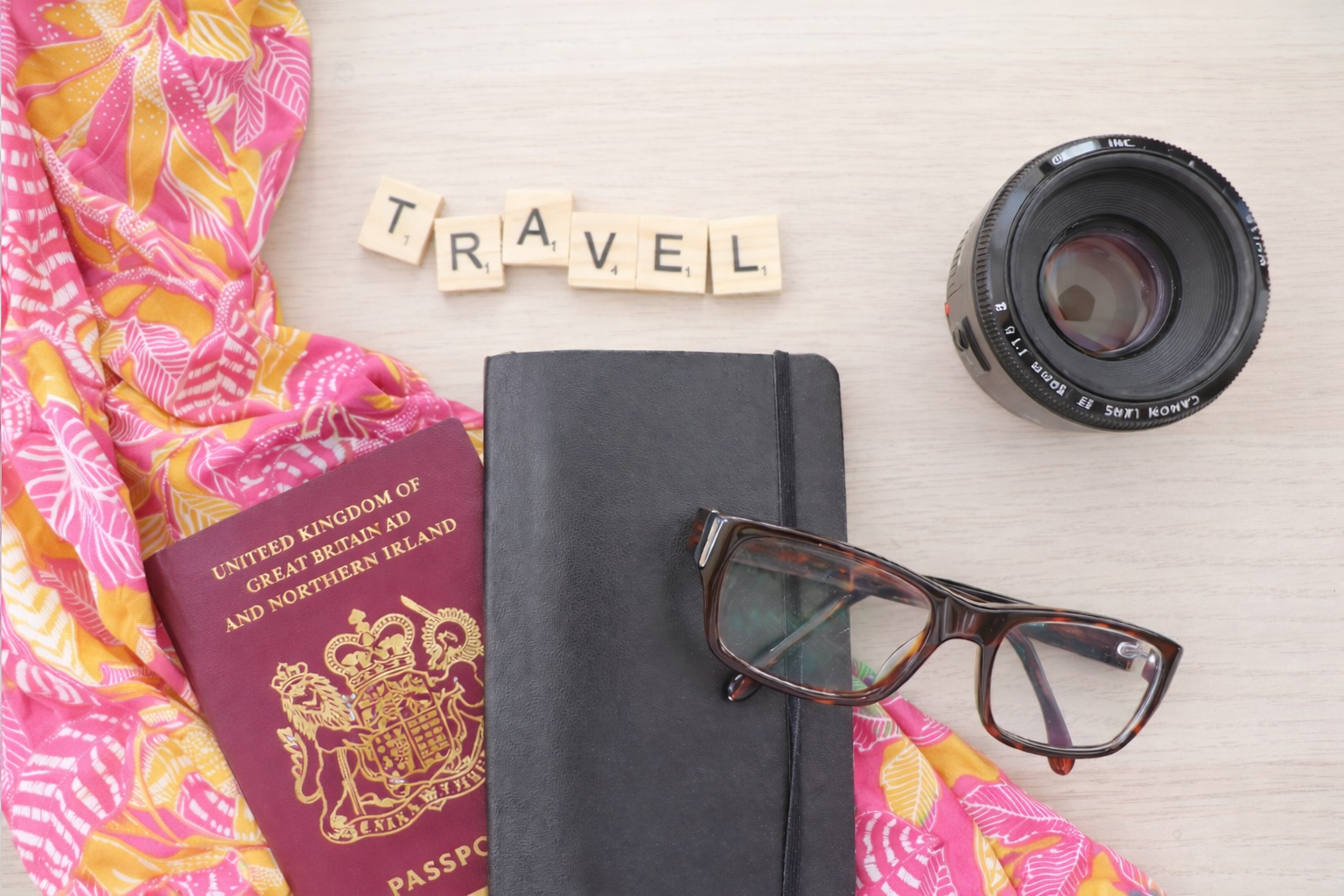
There is a version of me that still exists in memory, the one who could pack a bag in twenty minutes, book something spontaneous, and just go. No planning around energy. No second guessing whether my body would cooperate. No quiet fear sitting in the background.
Living with ME CFS and fibromyalgia has changed that completely. Travel is no longer just about where I am going. It is about how much it will cost me physically, how long recovery will take, and whether the experience will be worth the inevitable crash that often follows.
But here is the thing I have learned. Travel is still possible. It just looks very different now.
This post is everything I wish I had known earlier, especially after seeing how many of you connected with my Must-Have Vacation Essentials - Chronic Illness. This is the deeper layer. The reality behind the packing list. The emotional side, the pacing, the mistakes, and the small wins.
Understanding My Limits Before I Even Book
The biggest shift for me has been accepting that I cannot travel the way I used to. That sounds obvious, but acceptance is not a one time thing. It is something I have to revisit every single time I plan anything.
Before I even think about destinations, I ask myself a few honest questions.
How am I doing right now, not how I wish I felt
What has my baseline been like recently
Have I been in a crash or close to one
What does my recovery time usually look like after exertion
If I ignore these questions, I pay for it later. Every time.
I have learned that hope is not a strategy when you live with chronic illness. Planning has to be grounded in reality, not optimism.
This is something I also touch on in my post about brain fog and decision making, because when your thinking is cloudy, it is very easy to overcommit without realising.
Choosing the Right Type of Trip
Not all holidays are created equal when you live with ME CFS and fibromyalgia.
A city break that involves lots of walking, noise, and stimulation can be far more exhausting than a quiet stay somewhere familiar. I used to feel like I was missing out if I did not choose something exciting. Now I measure a trip by how supported my body feels, not how impressive it sounds.
For me, the best trips tend to have a few key things.
Minimal travel time where possible
A calm environment without constant sensory input
Access to comfortable rest spaces
Flexibility with plans
Somewhere I can retreat without feeling like I am missing everything
I have had to let go of the idea that I need to see everything. Now I focus on experiencing something, even if that is just sitting somewhere peaceful and feeling okay for a moment.
Packing Is No Longer Just Packing
Packing used to be practical. Now it is protective.
My essentials list became popular for a reason, because when you live with chronic illness, what you bring can make or break your experience.
But beyond the physical items, packing is also about reducing risk.
I pack for flare ups, not just good days. I pack for temperature swings, because my body struggles to regulate. I pack comfort items that might seem unnecessary to someone else but make a huge difference to me.
Things like soft clothing that does not irritate my skin when sensory overload hits. Layers for when I go from hot to cold without warning. Pain relief strategies that I know work for my body, not just what should work.
This ties closely into my experience with sensory overload during PEM crashes, where even the feeling of fabric on my skin can become unbearable. Having the right clothes with me is not a luxury. It is essential.
The Reality of Travel Days
Travel days are the hardest part for me.
They are unpredictable, overstimulating, and physically demanding in ways that are difficult to control. Even a short journey can push me into a crash if I am not careful.
I have learned to treat travel days as the main event, not something to get through quickly so I can start enjoying my trip.
That means I build in recovery time immediately after. I do not plan anything for the day I arrive. Sometimes not even the next day.
I allow myself to rest without guilt, even if that means spending the first part of my holiday in bed. Because if I do not, the rest of the trip is usually compromised anyway.
Pacing While Away From Home
Pacing is something I talk about a lot, because it is one of the few tools that actually helps me manage my symptoms.
The problem is, it becomes much harder when I am away from home.
There is pressure to make the most of the time. There is a temptation to push a little further because I might not get this opportunity again. And there is often a mismatch between what I want to do and what my body can handle.
I have had to learn this the hard way.
Now I plan one thing per day at most. Sometimes one thing every two days. And I keep it flexible.
If I wake up and my body is not cooperating, I change the plan. No negotiation.
This has been one of the hardest mindset shifts, because it means letting go of expectations. But it has also been one of the most important.
Managing Symptoms in a Different Environment
Being away from home means being away from my usual routines, my safe spaces, and the things I rely on to manage my symptoms.
Sleep can be disrupted. Pain levels can increase. Fatigue can feel heavier because everything is unfamiliar.
I try to recreate small pieces of home where I can.
That might be sticking to a similar sleep routine, bringing familiar items that help me relax, or keeping my meals as consistent as possible.
I have also learned to listen to early warning signs more closely when I am away. If I feel a crash building, I act quickly.
Rest more than I think I need to
Reduce stimulation
Cancel plans if necessary
It is always easier to prevent a full crash than to recover from one.
The Emotional Side of Travelling with Chronic Illness
This is the part that does not get talked about enough.
Travel can bring up a lot of emotions when you are living with ME CFS and fibromyalgia.
Grief for the way things used to be
Frustration at your limitations
Guilt for needing more rest than others
Anxiety about whether your body will let you enjoy the trip
I have felt all of these, often at the same time.
There have been moments where I have been somewhere beautiful and still felt overwhelmed, because my body was struggling and I could not fully be present.
I have learned to acknowledge those feelings rather than push them away. They are a valid part of the experience.
At the same time, I try to notice the small wins.
A moment where my pain eases slightly
A quiet morning where my energy feels more stable
A short outing that I manage without triggering a crash
These moments might seem small, but they matter.
Returning Home and the Aftermath
One of the biggest mistakes I used to make was not planning for what happens after the trip.
Because there is always an after.
Even when I pace carefully, travel takes a toll on my body. The post travel crash can last days or even weeks depending on how much I have done.
Now I build recovery time into my life, not just my holiday.
I avoid scheduling anything important immediately after I return. I give myself space to rest, reset, and let my body recover.
This has made a huge difference to how I experience travel overall, because it removes some of the fear of what comes next.
What Travel Means to Me Now
Travel used to be about doing as much as possible. Seeing everything. Making the most of every moment.
Now it is about something much quieter.
It is about finding ways to experience life within my limits. It is about creating moments that feel manageable, not overwhelming. It is about working with my body instead of constantly fighting against it.
Living with chronic illness has changed how I travel, but it has not taken it away completely.
It just requires more thought, more honesty, and a different kind of expectation.
If you are reading this and trying to figure out how to navigate travel with ME CFS or fibromyalgia, you are not alone in this. It is a learning process, and it is not always straightforward.
But it is possible to find a way that works for you, even if it looks nothing like it used to.
About me
I am a married mother of four children. One of those children is our granddaughter, for whom we are legal guardians and kinship carers. I run a small business, and I love to write, which is how this blog came to be. I write about family life, kinship care, and my experiences living with chronic illness and disability, including ME CFS, spinal stenosis, TMJD, chronic pain, and fibromyalgia. I am also very aware that I am doing all of this in my mid-forties, which still surprises me some days.
You’re not alone here. You’re welcome to stay as long as you need.
FAQ section
-
You can, but it takes careful planning and a lot of honesty with yourself. I have learned that I cannot travel the way I used to. I have to pace everything, build in rest, and accept that doing less is what actually allows me to experience anything at all without triggering a severe crash.
-
For me, it is always energy management first. That means pacing, planning minimal activities, and allowing proper recovery time. Comfort is just as important. Having the right environment, supportive accommodation, and familiar items can make a big difference when symptoms flare.
-
I stop treating fatigue like something I can push through. If my body needs rest, I rest. I plan quiet days, limit stimulation, and avoid overloading my schedule. Fatigue with ME CFS is not normal tiredness, and ignoring it always leads to a crash for me.
-
I pack for my worst days, not just my best ones. That includes comfortable clothing for sensory issues, layers for temperature changes, and anything that helps manage pain and fatigue. My essentials post goes into more detail on what I bring and why it matters.
-
The biggest thing I have learned is to act early. If I feel a crash building, I stop and rest immediately. I reduce activity, limit stimulation, and give my body space to recover. Waiting too long usually means the crash is worse and lasts longer.
-
Yes, completely. Travel can bring up grief, frustration, and even guilt. I have felt all of those. It helps to acknowledge those feelings instead of pushing them away, while also recognising the small moments that do feel good.
This post is based on my personal experience living with ME CFS and fibromyalgia. It is not medical advice. Always speak to a healthcare professional for guidance specific to your condition and needs.