Low Energy Hobbies for Chronic Illness: Gentle Activities for Flare Days
There is a very particular kind of quiet that comes with a flare day.
It is not peaceful. It is not restorative. It is the quiet of a body that has shut you down without warning. The quiet of plans cancelled, messages unanswered, the world continuing without you while you lie still and try not to make things worse.
Living with ME CFS has changed how I understand hobbies completely. Before illness, hobbies were about improvement, productivity, growth. Now they are about survival. Regulation. Gentle companionship with myself when my body refuses to cooperate.
On flare days, my energy envelope shrinks to something almost invisible. Even sitting upright can tip me into post-exertional malaise (PEM). On those days, I do not need hobbies that inspire ambition. I need low-energy hobbies that meet me where I am.
If you live with chronic fatigue, ME CFS, fibromyalgia, or long-term illness, you will understand this deeply. The right activity on a flare day is not about achievement. It is about protecting your baseline while still feeling human.
This is not a list from a lifestyle magazine. These are the hobbies that have worked for me on genuine crash days. The ones that do not cost more than they give.
Why hobbies matter on flare days
When my symptoms spike, everything narrows. My world becomes the bed, the sofa, the four walls. Fatigue deepens. Brain fog thickens. Sound and light feel louder. The temptation is to do nothing at all.
Sometimes, complete rest is absolutely necessary. I talk about that often in my pacing with ME CFS posts. True rest is medicine.
But there is a point where total stillness tips into something else. Isolation. Rumination. That heavy emotional spiral that comes when you feel useless, disconnected and small.
Gentle hobbies for chronic illness are not about pushing through symptoms. They are about emotional regulation within your energy limits. They are part of sustainable pacing. They help protect mental health without triggering post-exertional malaise (PEM).
If you are new to managing your energy envelope, you might want to read my post on living within your limits and avoiding boom and bust cycles. Learning how to pace activities, even enjoyable ones, is crucial.
For now, here are the low-energy hobbies that have genuinely supported me during flare days.
Audiobooks and comfort listening
Reading physical books is often too much for me in a crash. My eyes struggle to track lines. My arms are too fatigued to hold a book or Kindle. My brain cannot process paragraphs. But audiobooks have been a lifeline.
I choose familiar stories. Comfort novels. Nothing complex. Sometimes I listen to the same book repeatedly because familiarity reduces cognitive load.
Podcasts can also work, but only gentle ones. Soft voices. Slow pacing. No intense debate or loud music. On severe days, even that can be overstimulating, so I keep volume low and sessions short.
This fits naturally into a broader chronic illness coping toolkit. It pairs well with sensory regulation strategies I have written about before.
Low stimulation creative hobbies
Creativity looks very different for me now.
On flare days, I do not attempt ambitious art projects. Instead, I keep a small box beside my bed with very simple materials. A colouring book with large patterns. Soft pencils. Sometimes just a notebook for messy, unstructured scribbling.
There is something grounding about moving colour across a page. No expectations. No outcome. Just gentle engagement.
If I have a little more cognitive space, I might do a few lines of blogging (I have loads of draft blog posts). Not deep reflection. Not productivity planning. Just writing what I feel in the moment. This has become part of my mental health with chronic illness routine.
Creative hobbies for chronic fatigue need to be interruptible. I must be able to stop instantly without feeling frustrated. That is one of my key pacing rules.
Digital hobbies in very small doses
This one is delicate because screens can easily push me into PEM.
However, on certain flare days, light digital engagement helps me feel connected. I might scroll slowly through photography accounts. I might pin gentle home inspiration ideas. Sometimes I draft blog post ideas in my notes app without pressure to finish them.
The key is strict boundaries. Five or ten minutes. Low brightness. No emotional rabbit holes.
I have learned the hard way that even enjoyable digital hobbies can trigger post-exertional malaise. If you struggle with screen tolerance, you may find my post on managing cognitive fatigue helpful.
Micro crafts that can be done from bed
There are hobbies that remain enjoyable even when I cannot sit up properly. Unfortunately, this one isn't suitable for me due to my chronic tennis elbow, which prevents me from using my hand without pain. I used to sew, finding it very therapeutic, but the pain eventually made it impossible to continue.
Simple knitting with a repetitive stitch pattern, crocheting small squares, and beading with pre-sorted materials, these activities are slow, rhythmic, and almost meditative.
The repetition helps soothe the nervous system.
If you are housebound or mostly bedbound, hobbies that can be done from bed help preserve your sense of identity. Chronic illness already takes so much; discovering something you can still do matters more than many realise.
Nature without leaving the house
On better days, I love slow walks and gentle time outdoors. On flare days, that is not possible.
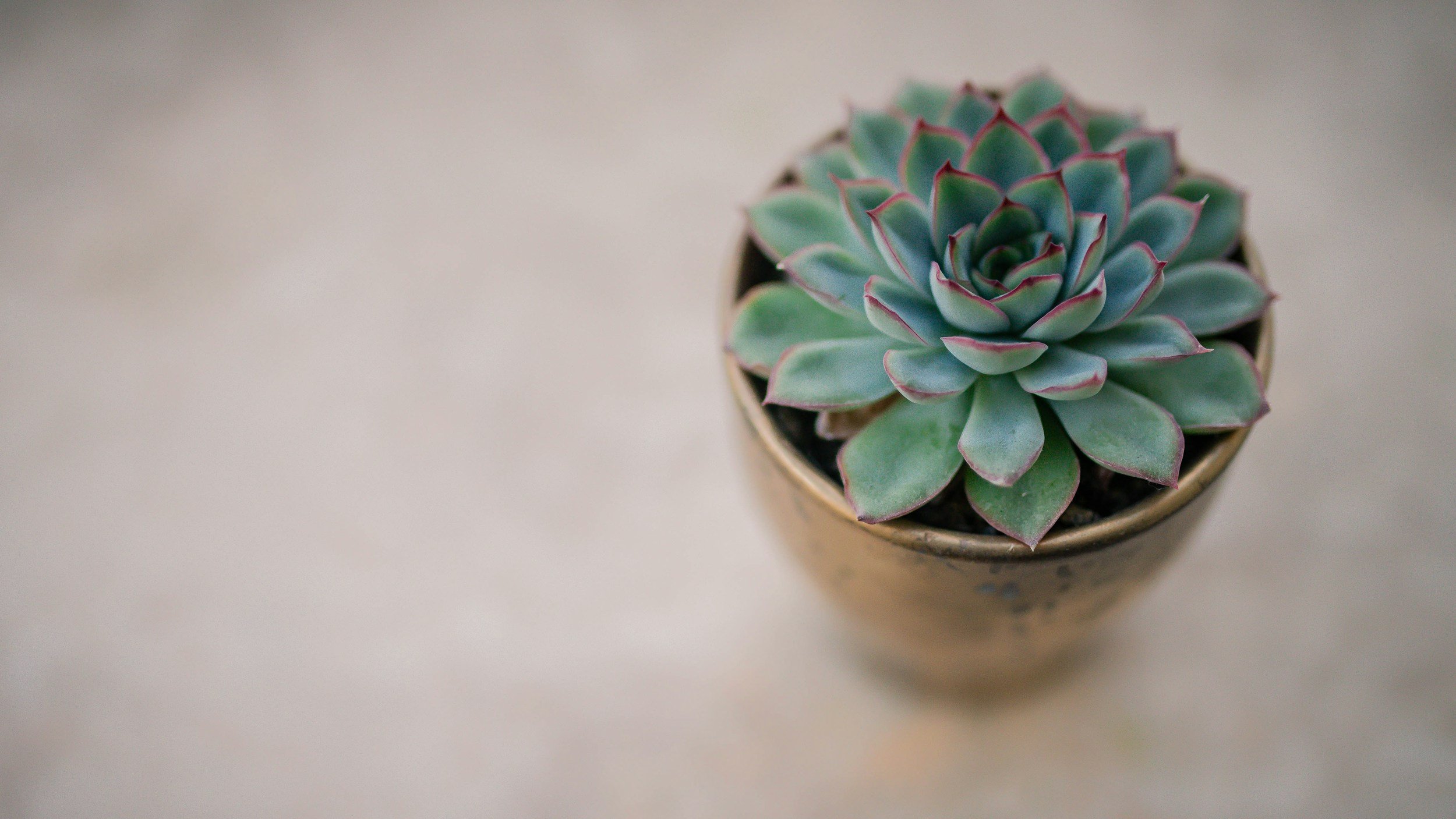
So I bring nature in small ways. Watching birds through the window. Tending to one small houseplant. Opening a window for fresh air if I can tolerate it.
Sometimes I watch slow nature videos. Forest sounds. Rain. Ocean waves. It is not the same as being outside, but it helps regulate my nervous system.
This connects deeply to managing stress with chronic illness. Our bodies are already overwhelmed. Anything that lowers sensory threat is supportive.
Puzzles and light cognitive engagement
Brain fog makes complex tasks impossible during a flare. But very simple puzzles can sometimes help.
Word searches with large print. Gentle jigsaw puzzles on a tray. Simple logic games that do not require sustained focus.
The goal is not mental sharpness. It is light engagement without overload.
I treat cognitive hobbies the same way I treat physical activity. Within my limits. With rest breaks. Stopping before symptoms spike.
Revisiting old hobbies with new expectations
One of the hardest parts of ME CFS has been grieving the hobbies I cannot do in the same way anymore.
I used to enjoy more physically demanding activities. I used to read complex books in one sitting. I used to craft for hours.
Now I revisit those hobbies differently. Shorter sessions. Lower expectations. More compassion.
If you are navigating identity shifts with chronic illness, you are not alone. I have written before about rebuilding identity after diagnosis and letting go of the version of yourself that no longer exists. Hobbies are part of that process.
How I choose hobbies on flare days
Not every low-energy hobby is suitable every day.
On high pain days, I avoid anything that requires holding tension in my hands. On sensory overload days, I avoid audio. On heavy brain fog days, I choose purely repetitive tasks.
Living with ME CFS means constant adjustment. It is not about finding the perfect hobby. It is about having options.
If you're having a day where getting out of bed isn't really an option, I've also shared 10 low energy hobbies you can do in bed, with ideas specifically for ME/CFS and fibromyalgia.
If you are new to this, I would suggest creating a flare day list. Write down five or six gentle activities that feel safe. Keep materials accessible. Reduce friction. When a crash hits, decision making is hard. Preparation protects energy.
The emotional side of hobbies with chronic illness
There is guilt attached to hobbies when you are ill.
A voice that says you should be resting more. Or doing something more productive. Or contributing in a visible way.
I have had to unlearn that.
Low-energy hobbies are not indulgent. They are adaptive coping strategies. They protect mental health. They reduce isolation. They support pacing.
When I treat them as part of my chronic illness management plan rather than optional extras, the guilt softens.
If you struggle with that internal pressure, you may relate to my post about unlearning productivity culture with chronic illness. It is a constant work in progress for me.
When everything feels stripped back, even small gestures can help. Sometimes that comes from within, but sometimes it comes from someone else. A thoughtful mental health gift can offer a quiet way of showing support without needing the right words.
You are allowed gentle joy
Flare days can feel like everything has been stripped back to survival. But even within severe fatigue, small pockets of gentleness are possible.
A familiar voice in your headphones. The scratch of pencil on paper. The quiet satisfaction of finishing a tiny repair with sewing. Watching light move across the wall.
These things are small. But they are not meaningless.
Living with chronic fatigue and ME CFS has forced me to redefine what a good day looks like. Sometimes a good day is simply one where I respected my limits and found one gentle thing that did not make me worse.
Low-energy hobbies are not about filling time. They are about preserving yourself.
If you are in a flare right now, reading this from bed, please know this. You are not lazy. You are not failing. You are adapting to something most people cannot see.
And if all you can manage today is pressing play on a soft audiobook and closing your eyes, that is enough.
About me
I am a married mother of four children. One of those children is our granddaughter, for whom we are legal guardians and kinship carers. I run a small business, and I love to write, which is how this blog came to be. I write about family life, kinship care, and my experiences living with chronic illness and disability, including ME CFS, spinal stenosis, TMJD, chronic pain, and fibromyalgia. I am also very aware that I am doing all of this in my mid-forties, which still surprises me some days.
You’re not alone here. You’re welcome to stay as long as you need.
FAQ: Low Energy Hobbies and Chronic Illness
-
Low energy hobbies are activities that require minimal physical, cognitive, and emotional effort. For me, they are hobbies I can do during ME CFS flare days without worsening symptoms or triggering post exertional malaise. They are flexible, interruptible, and gentle enough to stop the moment my body needs rest.
-
Yes, they can. Even enjoyable activities can trigger post exertional malaise if they exceed your energy limits. I have learned that hobbies still count as exertion. Cognitive effort, sensory input, and emotional engagement all use energy. That is why pacing hobbies is just as important as pacing physical activity.
-
For me, yes, but only when approached gently. Complete rest is sometimes essential, especially during severe crashes. But low energy hobbies can support mental health, reduce isolation, and help me feel human without pushing my body. They are not a replacement for rest, but a complement to it when tolerated.
-
Then rest is the hobby. There are days when listening, watching, creating, or engaging in anything makes my symptoms worse. On those days, protecting my baseline matters more than doing anything at all. Living with ME CFS means responding honestly to my body, even when that means doing nothing.
-
I pace hobbies by keeping them short, stopping before symptoms spike, and choosing activities I can pause instantly. I avoid pressure to finish anything. I also rotate hobbies depending on symptoms, choosing quieter options on high fatigue or sensory overload days. If a hobby consistently leads to crashes, it is not sustainable for me.
-
Absolutely. Many of my safest hobbies are ones I can do lying down. Bed based hobbies are not lesser or lazy. They are adaptive. Chronic illness changes how we engage with the world, not our worth or creativity.
Disclaimer:
These FAQs reflect my personal experience of living with ME CFS. I am not a medical professional, and this is not medical advice. Always listen to your own body and seek professional support where needed.