The Hidden Cost of Hospital Stays When You Already Live with Chronic Illness
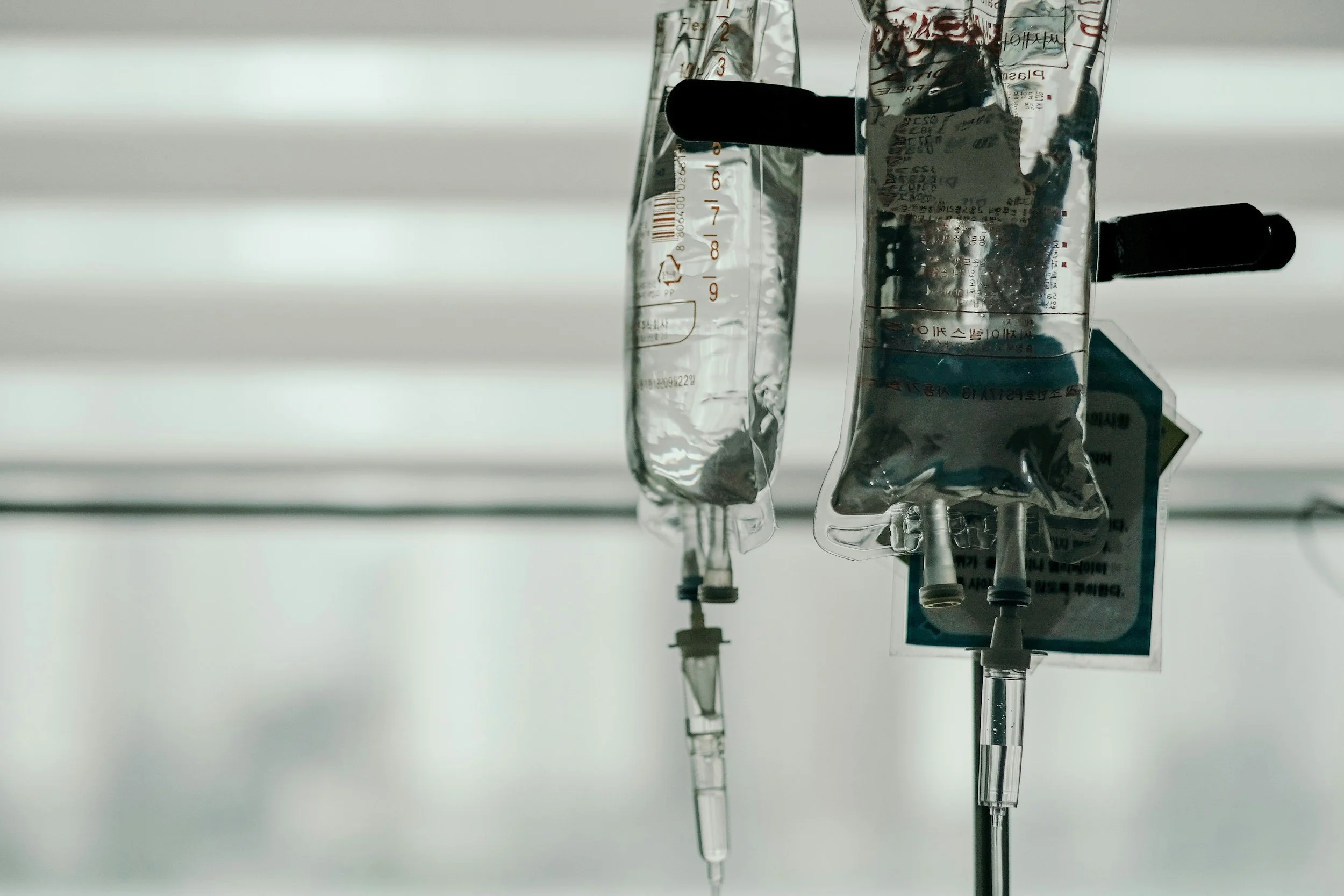
Being Ill Is Expensive. Hospital Stays Taught Me That the Hard Way
Being ill and having stays in hospitals is expensive. That is probably the clearest lesson the last couple of years have taught me. Not in an abstract, policy discussion kind of way. Not in a what if this happened sense. But in a lived, counted, receipts in my bag, fuel gauge blinking, body already exhausted kind of way.
I have lived with ME CFS and Fibromyalgia for long enough to understand that illness already costs more than people realise. Appointments. Prescriptions. Travel, including my TMJD appointments, which involve a five-hour round trip to the hospital. The quiet extras you never plan for. But hospital stays are a different level of expensive. They come with urgency. With fear. With decisions made quickly, while you are already stretched thin. And when a few of those stays happen close together, the financial impact does not politely wait for you to recover.
It started with my younger son.
He took an elbow to the eye during a rugby tackle. One of those moments that seems like part of the game until suddenly it really is not. He fractured his eye socket in two places. One fracture was displaced, and it was trapping muscle and fat. That trapping caused a cascade of problems that escalated quickly. Constant vertigo. He would instantly vomit if he tried to move. Loss of control of his eye.
We were back and forth between our local hospital and another hospital. Tests. Waiting rooms. Uncertainty. Then our local hospital contacted Addenbrooke’s Hospital and sent over the CT scans. They came back quickly and clearly. He needed surgery urgently, and we needed to get to Addenbrooke’s now.
That hospital is a two-hour drive from us.
We packed up and went. He had surgery to place a mesh over the break in the eye socket. The operation was successful, thankfully. I stayed with him in the hospital for a few days. My husband drove back and forth each day. A 196-mile round trip, every single day.
We were lucky with parking. We managed to get free parking, otherwise that alone would have cost us a small fortune. But even with that help, the costs piled up. Diesel. Snacks. Drinks. The hospital fed my son, but he is still a teenage boy and wanted extra food, extra drinks. A hired TV. A movie to distract him when he felt awful. All of it added up quickly.
None of it was optional in the moment. None of it felt indulgent. It was just what you do when your child is in the hospital, and you are trying to keep things bearable.
Then not long after, my older son ended up in the hospital.
He was really unwell and stayed for a week. He is an adult, so we could not stay with him. But we were back and forth constantly. Parking again. Drinks. Sandwiches. Small comforts. Extra things you grab because hospital days stretch long and hard. Those visits come with emotional cost too, but financially, they drain you in quieter ways. The repeated taps of contactless payments. The slow realisation that your normal weekly budget has been completely overtaken by survival spending.
Then there was the time I ended up in hospital myself.
I had a severe accident and fell out of the loft. A sentence that still makes me pause when I say it. I was injured badly enough to need hospital care. My husband was there, sitting with me, buying coffees. That sounds so small written down. But even that is part of the picture. Every tea. Every snack. Every hour spent somewhere you did not plan to be.
All of this happened within about six months.
Six months. Emergencies. Long drives. Waiting rooms. Fear. Logistics. And money flowing out steadily while our lives felt like they were on pause.
One thing we did not fully appreciate before all this is just how expensive it is to be ill. I knew it already, to an extent. Living with ME CFS and Fibromyalgia means hospitals and doctors are part of my normal life. Appointments. Tests. Referrals. Travel. Recovery time that limits work and income. But a hospital stay is different. It intensifies everything. The cost of being ill does not just rise; it multiplies.
When someone becomes seriously unwell or has a major accident, the expenses do not stop because you are unwell. They increase because you are unwell. And there is no breathing room. You pay while scared. While tired. While not thinking clearly. While just trying to get through the day.
This is something I wish was talked about more openly.
Not in a way that blames hospitals or the NHS. We are incredibly fortunate to have care that is there when we need it. But the surrounding costs fall quietly on families. Travel. Accommodation. Food. Parking. Time off work. These are rarely factored into conversations about illness.
Living with ME CFS and Fibromyalgia has already taught me how to pace my energy carefully. How to plan around limitations. How to budget spoons, not just money. But hospital situations tear through pacing. You cannot pace an emergency. You cannot rest your way out of worry. And when your body is already compromised, the financial stress adds another layer of exhaustion that lingers long after discharge.
Now, as if to underline the point, I am facing another hospital journey.
I have been referred to a TMJD specialist surgeon. I have lockjaw and can only open my mouth to one finger width, with severe degenerative changes in my jaw joints and muscles. Last year, I had a small operation called arthrocentesis, but my Maxillofacial surgeon has explained that I will need further surgery that only a TMJD specialist can carry out, which is why I have been referred. The current plan is to assess the damage using keyhole cameras in both jaw joints and remove the displaced discs, with the possibility of further operations after that.
There are only a handful of surgeons in the UK who can do this kind of work. Mine is based in Bedford. That is a two-and-a-half-hour drive one way for us.
I have my first appointment in a few weeks. I have waited a year for this referral. A year of pain. A year of limitations. A year of hoping for answers. The appointment is early in the morning, and because of that, we are driving up the night before and staying in a hotel. I cannot risk traffic delays and missing it. Not after waiting this long.
And already, before I have even walked through the hospital doors, the costs are stacking up. Fuel. Hotel. Food. Time. Energy. I am dreading it, if I am honest. Not the appointment itself. I want help. I need help. But the financial and physical toll of being far from home while ill weighs heavily on my mind.
This is the part of chronic illness that rarely makes it into awareness campaigns or inspirational narratives.
Being ill costs money even when treatment is free. It costs money when you are already unable to work as much. It costs money when your energy is limited, and you have fewer options. It costs money in ways that are hard to predict and harder to prepare for.
For people living with chronic illness, this matters deeply. We are already navigating a condition that is misunderstood, underfunded, and often dismissed. Add repeated hospital stays into that mix, whether for ourselves or our families, and the strain becomes relentless.
I think about how many families are quietly dealing with this. Counting coins in hospital cafes. Sleeping in cars. Driving long distances because specialist care is not local. Making choices between comfort and cost while trying to be present for someone they love.
Illness does not happen in a vacuum. It happens in real lives, with real bills, real fuel tanks, real bodies that cannot just push through.
If there is one thing I have learned from the last couple of years, it is this. The cost of illness is not just measured in pain or time or lost opportunities. It is measured in miles driven, coffees bought, nights away from home, and the constant mental arithmetic of how to keep going without falling apart.
And when you live with chronic illness, that arithmetic is already exhausting.
This is not a complaint. It is a truth I learned the hard way. And one I wish more people understood before illness forces them to learn it too.
About me
I am a married mother of four children. One of those children is our granddaughter, for whom we are legal guardians and kinship carers. I run a small business, and I love to write, which is how this blog came to be. I write about family life, kinship care, and my experiences living with chronic illness and disability, including ME CFS, spinal stenosis, TMJD, chronic pain, and fibromyalgia. I am also very aware that I am doing all of this in my mid-forties, which still surprises me some days.
You’re not alone here. You’re welcome to stay as long as you need.
Frequently Asked Questions
-
Although treatment itself is free, hospital stays come with many extra costs. Travel, fuel, parking, food, drinks, accommodation near hospitals, and time off work all add up quickly. When hospital visits are urgent or far from home, there is very little opportunity to plan or budget for these expenses.
-
Living with chronic illness often means reduced income, limited energy, and frequent medical appointments already straining finances. When a hospital stay is added on top, the costs hit harder and recovery takes longer. The financial stress becomes another drain on already limited physical and emotional resources.
-
Yes. For someone with ME CFS, hospital stays can cause significant physical setbacks due to exertion, disrupted routines, poor rest, and sensory overload. The added financial pressure increases stress, which can worsen symptoms and slow recovery long after leaving hospital.
-
Common hidden costs include fuel for long journeys, parking fees, food and drinks, overnight accommodation, TV or entertainment hire, and small comfort items. When supporting a loved one in hospital, these costs feel unavoidable and often continue for days or weeks.
-
It is difficult to fully prepare, especially for emergencies. Where possible, setting aside a small emergency fund, checking hospital parking policies, asking about travel support, and planning accommodation early can help. However, many costs are unavoidable and families should not feel guilty for struggling with them.
-
Discussions around illness often focus on treatment and recovery, not the financial and logistical impact on families. Many people only understand these costs once they experience hospital stays themselves. Talking openly about it helps make the reality of illness more visible and human
A gentle note
I am not a medical, financial, or legal professional. Everything shared here comes from my own lived experience of chronic illness, hospital stays, and supporting my family through them. I write to reflect, to make sense of what we go through, and to help others feel less alone. Please always seek professional advice for medical or financial decisions that affect you or your family.