What Happens After You Get the Passport When You Have a Special Guardianship Order
Travel, visas and border rules when you are a kinship carer or Special Guardian
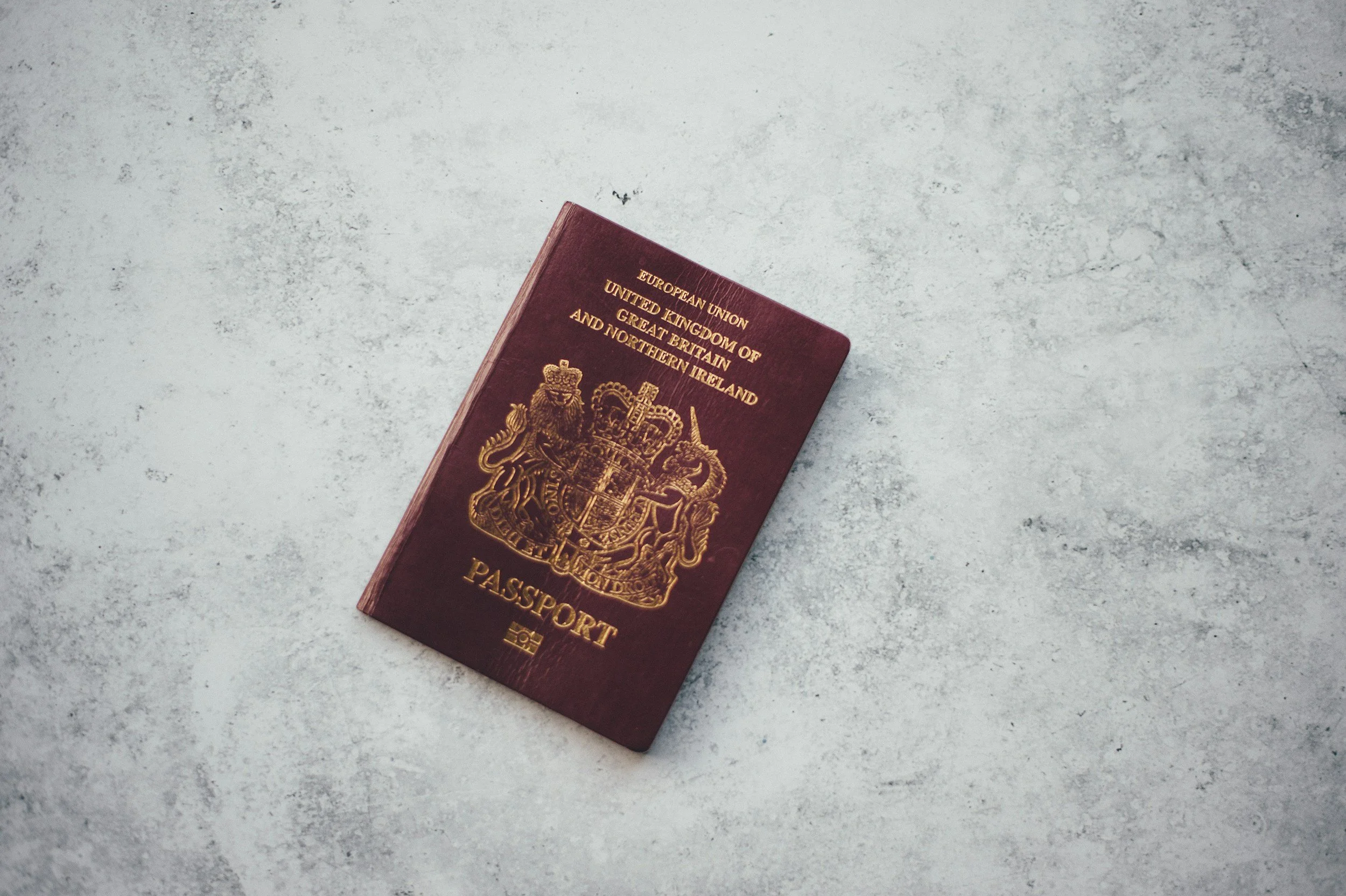
When the passport finally arrived, I remember holding it in my hands and feeling something close to relief. Not excitement exactly. Relief mixed with exhaustion. If you have ever applied for a passport for a child under a Special Guardianship Order, you will understand why. It is not a simple tick box exercise. It is paperwork layered on top of court orders, parental responsibility, consent, uncertainty, and the constant fear of getting something wrong.
For a brief moment, I thought we were done. Passport sorted. Box ticked. Job finished.
But the truth is, the passport is only the beginning.
If you are a kinship carer or a Special Guardian and you are thinking about travelling abroad with your child, there are things you need to know that are rarely explained clearly. Passports alone are not always enough. Borders do not work on assumptions or goodwill. They work on documentation, rules, and sometimes discretion, which can be terrifying when your family does not fit neatly into standard boxes.
This post is not legal advice. It is lived experience. It is the stuff I wish someone had told me before I stood in an airport wondering if I had brought the right paperwork, questioning whether we would be allowed to board, and quietly rehearsing how I would explain our family to a stranger with a stamp.
The passport does not explain your family
A child’s passport does not say who you are to them. It does not explain kinship care. It does not mention a Special Guardianship Order. It does not show that you have parental responsibility. To anyone looking at it, you may just be an adult travelling with a child who does not share your surname, or whose relationship to you is not obvious.
This is where things can become complicated.
Border officials are trained to look out for child trafficking and abduction. This is a good thing. But it means that families like ours are often scrutinised more closely. Questions can be asked. Documents can be requested. Sometimes you are waved through. Sometimes you are not.
I learned quickly that travelling with a child under an SGO requires preparation, not panic, and definitely not blind faith that the passport alone will be enough.
Always carry your court order
If you take nothing else from this post, take this. Always carry a copy of your Special Guardianship Order when travelling abroad. Not a photo on your phone. A printed copy. Ideally, more than one.
The SGO is what gives you parental responsibility. It is the document that explains why you are travelling with this child. It is the thing that backs you up if questions are asked.
I keep ours in a plastic wallet in my hand luggage. I do not put it in a checked suitcase. I do not assume I will not need it. I plan as if I will.
Consent letters and peace of mind
With a Special Guardianship Order in place, consent from birth parents is not usually required for travel. The court order gives you parental responsibility unless it specifically says otherwise. That said, some families choose to carry a written consent letter if it is possible, simply as an extra layer of reassurance when dealing with airlines or border staff who may not understand UK family law.
For many kinship carers, including us, this is not an option. There may be no contact with birth parents, or it may not be safe or appropriate to ask. In those situations, it is important to know that you are not doing anything wrong. A consent letter is helpful if you have one, but it is not required. Your Special Guardianship Order is the key document and is usually sufficient on its own.
Travelling when surnames do not match
This is one of the most common stress points for kinship carers. When your surname does not match the child’s surname, questions are more likely.
You will likely be asked who you are. How do you know the child. Where their parents are. None of this is malicious, but it can be emotionally draining, especially when the child is old enough to understand what is being asked.
You should prepare for this by carrying documents that show your connection with your SGO child. Birth certificates, if appropriate. Court orders. Any official paperwork that ties you together. Also, prepare yourself emotionally to answer calmly, without oversharing or becoming defensive.
This is not about proving you are a good carer. It is about satisfying a process that was not designed with families like ours in mind.
Protecting the passport from being cancelled
This is something I feel strongly about sharing, because it has happened to far too many kinship and Special Guardian families. Birth parents have been known to contact the Passport Office and report a child’s passport as lost or stolen, sometimes just days or even the day before the child is due to travel. When this happens, the passport can be cancelled without the Special Guardian being aware until it is too late, leaving families stranded and children distressed.
If you have a court order in place and are worried this could happen, you can email the Passport Office safeguarding team at PCCRSST@homeoffice.gov.uk with a copy of the Special Guardianship Order and the child’s details. When this is done, the child’s record can be flagged on the HM Passport Office system. If anyone else attempts to cancel the passport or apply for a new one, you can be contacted first to verify it. This monitoring can remain in place until the child turns eighteen or until the court order ends. It is not widely advertised, but it can prevent last-minute passport cancellations and provide an important layer of protection and peace of mind.
Visas are a separate issue entirely
A passport allows travel. It does not guarantee entry.
Some countries require visas for children, even when adults from the same country do not need one. Some require additional documentation for minors travelling with guardians rather than parents.
Before booking anything, I always check visa requirements for the child specifically, not just for myself. This includes checking embassy websites and airline guidance. It is tedious, but it is far less painful than being turned away at the airport.
Airline rules can differ from border rules
This caught me off guard the first time. Airlines are not border control, but they can refuse boarding if they are not satisfied with documentation. They do this because they are responsible for returning passengers who are refused entry.
This means that even if UK law supports your right to travel, an airline employee at check-in can still question whether your paperwork is sufficient.
I have learned to arrive early. I have learned to keep documents organised and accessible. I have learned not to assume that explaining verbally will be enough.
When travelling with neurodiverse children or children with trauma histories, delays and uncertainty can be incredibly destabilising. Planning ahead is not about being anxious. It is about protecting your child from unnecessary stress.
Returning to the UK
It is easy to focus on leaving, but returning can raise questions too.
UK Border Force may ask about your relationship to the child. They may ask where you live. They may ask where the child’s parents are. Again, this is procedural, not personal, but it can feel invasive.
Having the SGO to hand makes these interactions quicker and calmer. I have found that confidence and preparedness go a long way. Not confidence in the sense of bravado, but quiet assurance that you know who you are, what your role is, and that you are acting within the law.
Travelling without the child’s other carers
If you are part of a kinship care arrangement that involves shared care, foster placements, or local authority involvement, travelling abroad may require additional permissions.
Some Special Guardianship Orders include conditions about travel. Some local authorities expect to be informed. Some require written permission even after an SGO is granted.
Always check your specific order. Do not rely on general advice alone.
The emotional side of travelling as a kinship family
This part is rarely talked about, but it matters.
Travelling with a child who has experienced loss, trauma, or instability can bring up unexpected emotions. Airports are overwhelming. Borders involve authority figures. Being questioned about family can trigger anxiety, shame, or confusion for children.
I try to prepare my child gently. I explain that we might be asked questions. I reassure them that they have done nothing wrong. I remind myself that staying regulated helps them stay regulated.
Living with chronic illness adds another layer. Travel is physically demanding. Pacing matters. Planning rest matters. This is where my worlds overlap. Kinship care, disability, and parenting are not separate compartments. They bleed into each other constantly.
You are not overthinking this
If reading this makes you feel anxious, I want to say this clearly. You are not being dramatic. You are not overthinking it. You are being responsible.
Our families exist in the gaps between systems. We do not get the benefit of assumptions. We have to bring proof where others bring confidence. That is not a failing. It is reality.
Getting the passport is a huge milestone. It represents possibility, normality, and often a sense of legitimacy that kinship carers are not always granted easily. But travel involves more than a little booklet with a photo inside.
Preparation does not mean fear. It means care.
Final thoughts
Every journey I take with my child teaches me something new about systems, about resilience, and about the quiet strength it takes to navigate a world that does not always understand your family.
If you are here because you have just received that passport, take a moment to breathe. You have already done something hard. The rest is manageable, one document at a time.
You are not alone in this. You are welcome to stay as long as you need.
Checklist
I’ve created a printable travel checklist for kinship carers and Special Guardians, including a tick box version you can download and use when preparing to travel. Click HERE
About me
I am a married mother of four children. One of those children is our granddaughter, for whom we are legal guardians and kinship carers. I run a small business, and I love to write, which is how this blog came to be. I write about family life, kinship care, and my experiences living with chronic illness and disability, including ME CFS, spinal stenosis, TMJD, chronic pain, and fibromyalgia. I am also very aware that I am doing all of this in my mid-forties, which still surprises me some days.
You’re not alone here. You’re welcome to stay as long as you need.
Frequently Asked Questions
-
No. A passport allows a child to travel, but it does not explain your legal relationship. When travelling with a child under a Special Guardianship Order, it is strongly recommended to carry a printed copy of the court order in case you are asked to show parental responsibility.
-
In most cases, no. A Special Guardianship Order gives the special guardian parental responsibility, including the ability to take the child abroad, unless the order specifically says otherwise. Consent letters are optional and only used as extra reassurance where they are available.
-
At a minimum, you should carry the child’s passport and a copy of the Special Guardianship Order. It can also be helpful to have travel insurance documents, booking confirmations, and any relevant court paperwork, especially if surnames do not match.
-
In some situations, birth parents have contacted the Passport Office and reported a passport as lost or stolen. Special Guardians can contact the HM Passport Office safeguarding team to request that the child’s passport record is flagged, which helps prevent unauthorised cancellations.
-
Yes. Airlines can refuse boarding if they are not satisfied with the documentation, as they are responsible for returning passengers who are refused entry at their destination. Arriving early and keeping paperwork organised reduces the risk of issues.
-
Yes. Visa requirements can differ for children and should always be checked specifically for the child, even if the accompanying adult does not require a visa. A passport does not guarantee entry into another country.
-
This can lead to additional questions at borders. Carrying your Special Guardianship Order and supporting documents helps explain your relationship and usually prevents delays.
Disclaimer
I am not a legal professional, and this information is shared from personal experience as a kinship carer and Special Guardian. Rules, processes, and requirements can change, and individual circumstances may differ. If you are unsure about your specific situation or your court order, it is always best to seek advice from a qualified legal professional or the relevant official authority.