
Calm Water at Home Made Simple With Solar Powered Filters
If you love having a small water feature in your garden but don’t want the expense, complexity, or noise of a big pump system, a solar filter box can be the perfect solution. For home water features, a solar filter box offers more than enough performance while remaining simple, user-friendly, and cost-effective. Below, I’ll walk through why this option works well for budget-conscious users, how easy it is to install as a DIY project, and how it helps reduce basic noise and water disturbance.
If you love having a small water feature in your garden but don’t want the expense, complexity, or noise of a big pump system, a solar filter box can be the perfect solution. For home water features, a solar filter box offers more than enough performance while remaining simple, user-friendly, and cost-effective. Below, I’ll walk through why this option works well for budget-conscious users, how easy it is to install as a DIY project, and how it helps reduce basic noise and water disturbance.
Why choose a solar filter box?
Cost-effective: Compared with traditional electric pumps and filtration systems, a solar filter box keeps upfront and operating costs low. You avoid wiring, high electricity bills, and frequent component replacements. For a compact fountain, the POPOSOAP solar fountain offers a straightforward, all-in-one solution that’s affordable and well-suited for small outdoor spaces.
Low maintenance: Solar filter boxes typically have fewer moving parts and simpler filters to clean or replace. This means less time fiddling with equipment and more time enjoying the gentle sound of water.
Eco-friendly: Powered by sunlight, these systems have a minimal carbon footprint and run quietly during the day without relying on grid electricity.
Easy to install for non-professionals. One of the biggest draws of a solar filter box is how user-friendly it is for non-professionals like myself. Installation usually involves placing the unit in a sunny spot, connecting a short length of hose or placing the fountain outlet into a basin, and fixing a simple filter or foam pad in place. No trenching, conduit, or electrical is required. The feedback is that it is a painless setup, even if you’re new to outdoor DIY. If you want a compact fountain that’s ready to go out of the box, the POPOSOAP solar fountain is a popular option that keeps installation minimal.
Ideal for:
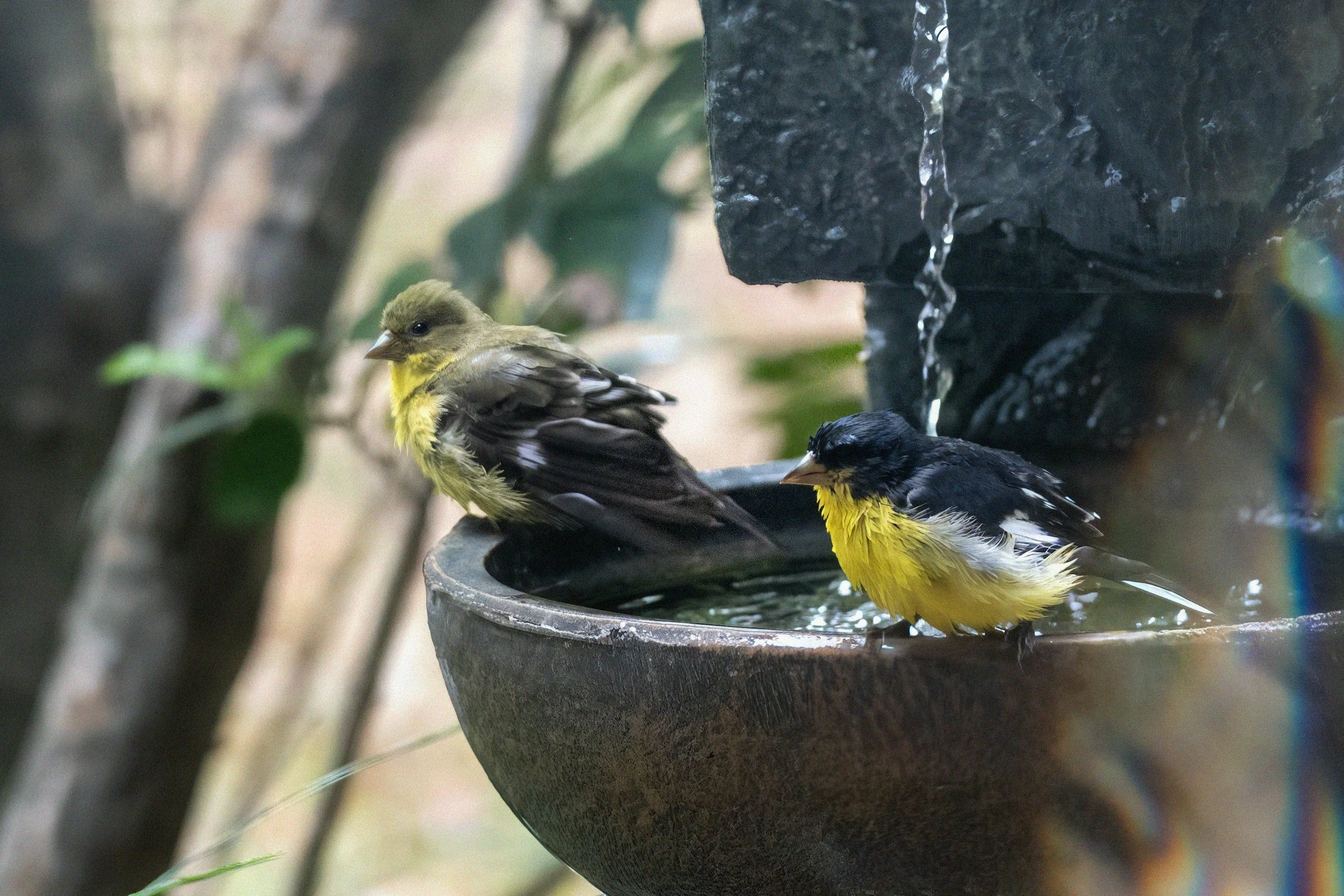
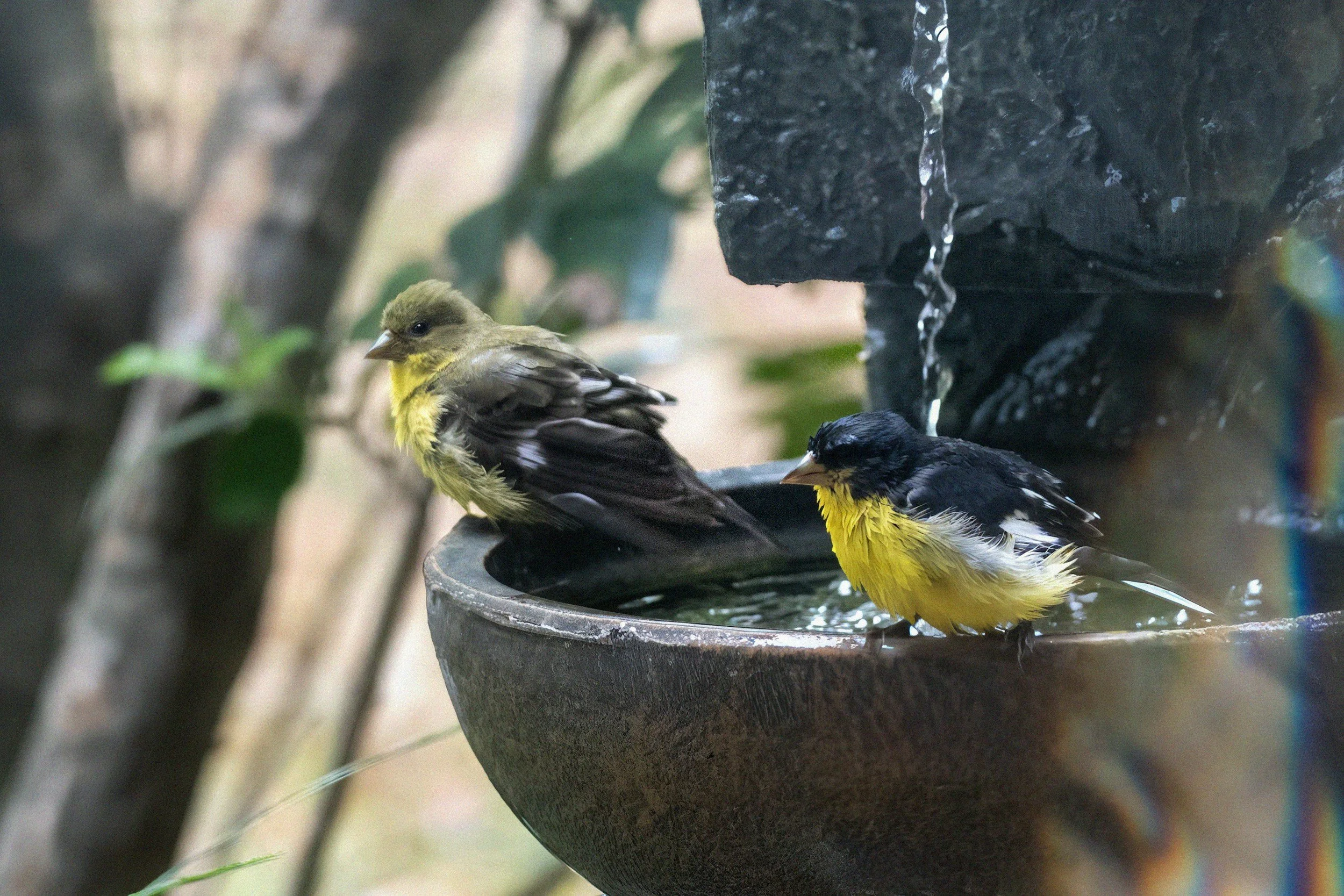
Small garden ponds or bird baths where only modest water flow is needed.
Patio water features where space and budget are limited.
They don’t justify a permanent electric pump.
People who want a calm water sound without complex maintenance.
How a solar filter box reduces noise and water disturbance. Solar filter boxes are designed to balance modest flow with gentle circulation. They don’t push large volumes of water quickly, so they produce much less mechanical noise than larger electric pumps. The filter element smooths water movement, reducing splashing. For anyone looking to add a soothing water feature without the loud, continuous hum of a strong pump, a solar filter box is an ideal choice.
Selecting the right model. When choosing, look for:
A reliable solar panel and battery backup, if you want limited operating.
A simple, replaceable filter element suited for your water type (e.g., to trap leaves or reduce algae).
Compact size appropriate for your basin or pond. For a ready-made, user-friendly option, consider checking the POPOSOAP solar filter, which targets home users wanting an uncomplicated filtration and fountain solution. If you want the whole package for a small fountain or pond, the POPOSOAP solar fountain offers an easy entry point into solar-powered water features. For more information on product specs and options, you can also visit the POPOSOAP website.
Final thoughts. For many home water feature projects, especially small-scale or budget-focused ones, a solar filter box provides all the performance you actually need: modest circulation, reduced noise, and simplified maintenance. It’s a good compromise between function and cost, and it opens the door for non-pro DIYers to add a peaceful, sustainable water element for outdoor spaces without the headaches of traditional pump systems. If you’re testing the waters, literally, start with a solar solution and enjoy the gentle benefits it brings.
2025 Gardener's Monthly Guide: Optimizing Your Garden Year-Round
As we step into the new year, it's the perfect time to craft a detailed gardening calendar for 2025. Planning your gardening activities month by month not only helps in selecting which plants to grow but also aids in deciding the best times to purchase and utilize various garden machinery. This guide will provide you with strategic insights and tasks to enhance your garden month by month, ensuring it thrives throughout the year. Let’s see what experts like Garden Machinery Direct say:
January - A Fresh Start in the Garden
Kick-off January by recycling your Christmas tree; shred it to create nutrient-rich mulch for your garden beds. It's a sustainable step that benefits your soil and plant health. Also, winter is still upon us, so remember to feed the birds and wrap sensitive plants like olive and fig trees in horticultural fleece to protect them from freezing temperatures. Now's also the ideal time to start forcing rhubarb by covering it with a bucket to expedite its growth for early spring harvesting.
February - Pre-Spring Preparations
As winter wanes, focus on getting your garden machinery serviced and ready for the busy months ahead. Clean your planters and greenhouse thoroughly to prepare them for new plantings. Begin sowing seeds such as lettuce and spinach undercover to get a jump on your spring garden. Refresh the mulch in your flower beds to help the soil retain moisture as the days start to warm.
March - Spring Into Gardening
With longer days and milder weather, March is perfect for planting summer bulbs like dahlias and lilies. Start your vegetable garden by planting potatoes and onions. This month is also crucial for lawn care; fertilize your grass to strengthen it against impending weed growth and give it a lush, healthy start to the season.
April - Growth and Maintenance
As spring establishes itself, it’s time to sow hardy annuals directly into the soil. Pull out your lawnmower for its first use of the year, setting it to a high cut to avoid stressing the grass. Keep an eye on emerging weeds and remove them promptly to protect your plants.
May - Enhancing Your Garden's Vitality
Support your growing potato plants by earthing up the soil around their stems. Pay attention to the temperature inside your greenhouse and use shades and ventilation to regulate it. Toward the month's end, beautify your garden with vibrant bedding plants like fuchsias and lobelias in your flower beds and hanging baskets.
June - Summer's Flourish
June demands regular pruning, especially for spring-flowering shrubs and evergreen hedges. Use stakes to support taller perennials to prevent them from bending or breaking. Maintain a regular mowing schedule to keep your lawn pristine and healthy.
July - Midsummer Garden Care
Continue to deadhead flowers to encourage new growth and feed your roses after their first bloom to promote vibrant colour and health throughout the season. If you’re planning a vacation, arrange for someone to water your garden in your absence.
August - Preparing for Late Summer
August is prime time for pruning wisteria and managing its growth to avoid damage to your home's structure. Consider mulching with grass clippings to nourish your soil and suppress weeds.
September - Harvest and Preparation
Reap the rewards of your labour with fresh vegetables and fruits. Protect your leafy vegetables with netting and start sowing seeds for perennials and hardy annuals for next year’s bloom.
October - Winding Down
Give your lawn one last mow, set the mower to a low setting to prepare the grass for winter. It's also an ideal time to lay new turf and prepare your garden for the colder months ahead.
November - Autumn Maintenance
Clear fallen leaves to prevent them from smothering your lawn and creating slip hazards. Aerate and scarify your lawn to ensure optimal health through the winter.
December - End of Year Tidying
Store your garden tools and machinery properly to protect them from the elements. Check and repair any garden structures and insulate outdoor taps to prevent freezing.
Year-Round Tips
Remember, each task in your gardening calendar sets the stage for the next, creating a continuous cycle of growth and renewal. With the right tools and timely maintenance, your garden can flourish throughout 2025.