When Cleaning Hurts: Living With ME/CFS, Fibromyalgia, and the Need for Pacing
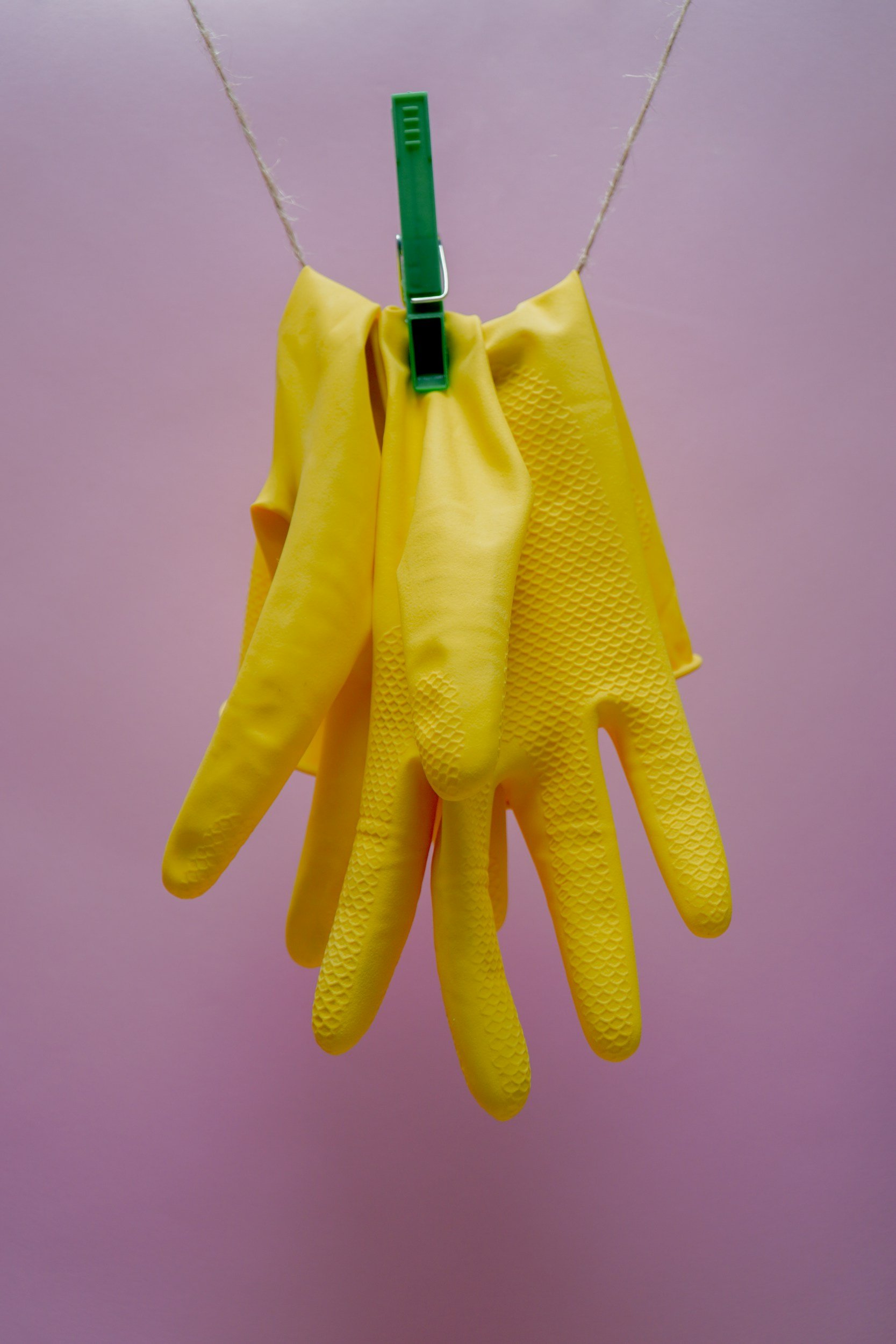
Living with Chronic illnesses such as ME/CFS and Fibromyalgia has completely changed how I experience everyday life. Things that once felt neutral now come with consequences, and cleaning is one of the clearest examples of that. Cleaning is often framed as a basic life task, something routine and unremarkable. For me, it is neither simple nor neutral. It is painful, destabilising, and deeply energy draining in ways that are easy to underestimate until I am already paying the price.
Cleaning does not just take my energy, although it does take a great deal of it. It hurts. My muscles burn and ache quickly. My joints protest. Repetitive movements can trigger painful spasms that come on without warning. What looks like light activity on the outside can feel overwhelming inside my body. Fibromyalgia pain does not politely build and fade. It flares, spreads, and lingers, often long after the task itself is finished.
ME/CFS adds another layer of difficulty. My heart rate can shoot up while I am doing something as simple as standing at the sink or reaching for a shelf. I can become dizzy and breathless very quickly. Sometimes it feels like the ground shifts beneath me. When that happens, my coordination often disappears with it. My grip weakens. My hands spasm or tremble. I drop things, knock things over, and feel clumsy in a way that is not just frustrating but sometimes genuinely unsafe.
For a long time, I did not understand why cleaning affected me so badly. I assumed it was just tiredness and that if I pushed through, my body would eventually adjust. Instead, I triggered PEM (post-exertional malaise) over and over again. Cleaning would leave me wiped out for days, my pain levels significantly higher, my dizziness worse, and my entire system feeling inflamed and overloaded. It took time for me to accept that cleaning is not a small thing for a body living with ME/CFS and Fibromyalgia.
What makes cleaning particularly difficult is how deceptive it is. It rarely feels intense at the start. It is a series of small movements done repeatedly. Standing. Bending. Reaching. Twisting. Walking back and forth. Holding cloths. Gripping objects. With these illnesses, those small movements add up fast. Each one draws from a limited reserve, and my body does not recover in the way a healthy body would.
This is where pacing has become absolutely essential. Cleaning is a physical activity for me, with real and sometimes severe consequences. It has to be treated with the same respect and caution as anything else that triggers symptoms. I cannot afford to see it as something I should just push through.
I clean in short bursts when I do clean at all. I sit whenever possible. I stop at the first signs of increased pain, dizziness, breathlessness, or weakness, not when the task is finished. Waiting until I am exhausted is a guaranteed crash. Stopping early is not laziness or failure. It is listening to my body before it reaches a breaking point.
Pain plays a huge role in how I pace. Fibromyalgia pain is not just discomfort. It can be sharp, deep, and disabling. When my muscles start to spasm, or my grip begins to fail, that is my body sending a very clear message. Dropping things is not clumsiness or carelessness. It is a symptom. Ignoring it only leads to more pain and longer recovery times.
One of the biggest supports in all of this is my family. My husband has taken over the cleaning in a way that goes far beyond simply helping out. He does it because he does not want me to suffer. There are times when I try to help out of habit or guilt, and he steps in immediately and insists on doing it himself. Not because he doubts me, but because he understands the cost to my body. His refusal to let me push myself is one of the ways he protects my health. My kids also chip in and help around the house, and knowing they are part of this support system lifts a weight off me that is hard to describe. Their help allows me to conserve energy and avoid pain in ways I could not manage on my own.
Even with support and pacing, I still misjudge things sometimes. There are days when I think I can handle more than I actually can (the boom and bust). When that leads to increased pain or a crash, I am learning to meet myself with kindness instead of criticism. ME/CFS and Fibromyalgia are unpredictable. Learning to live within their limits is an ongoing process, not something that can be mastered once and for all.
Cleaning will likely always be one of those everyday activities that carries an outsized cost for me. It will probably never be neutral. It will continue to be painful, draining, and complicated. But pacing, along with the support of my husband and kids, has made it possible for me to protect my body instead of constantly sacrificing it.
If you live with ME/CFS or Fibromyalgia and struggle with cleaning, you are not imagining it. These illnesses make ordinary tasks extraordinarily hard. Your pain is real. Your dizziness, breathlessness, and weakness are real. Learning to pace and accept help is not giving up. It is choosing to live with care, boundaries, and compassion in a body that already carries more than its share.
About me
I am a married mother of four children. One of those children is our granddaughter, for whom we are legal guardians and kinship carers. I run a small business, and I love to write, which is how this blog came to be. I write about family life, kinship care, and my experiences living with chronic illness and disability, including ME CFS, spinal stenosis, chronic pain, and fibromyalgia. I am also very aware that I am doing all of this in my mid-forties, which still surprises me some days.