The Importance of Having Hobbies When You’re Chronically Ill (and Often Housebound)
The Importance of Having Hobbies When You’re Chronically Ill (and Often Housebound)
I never really understood how much space hobbies take up in a “normal” life until mine shrank down to the size of a bedroom.
Before chronic illness barged in like an uninvited guest who refuses to leave, my life was full of movement. Work, errands, friends, little spontaneous adventures, all the usual things you don’t realise are luxuries until they’re suddenly gone. When you become chronically ill and pretty much housebound, the days can start blending together in a way that feels disorienting. You wake up, and there’s this stretch of hours ahead that you have to fill somehow… but your body runs the show now, and sometimes it demands that you do absolutely nothing.
That’s where hobbies come in, not as a cutesy self-care recommendation, but as genuine lifelines.
For me, finding hobbies wasn’t about discovering hidden talents or “using my time wisely.” It was about survival. Emotional survival, mental survival, identity survival. Because when illness strips away so much of who you thought you were, a hobby can quietly step in and remind you that you’re still a whole person underneath the pain and the limitations.
I’ll be honest: in the beginning, the word hobby annoyed me. It felt too cheerful, too energetic, too Instagram-worthy for a life that involved medication alarms, crippling fatigue, and more time horizontal than vertical. I didn’t want a hobby. I wanted my old life back.
But as the weeks blurred into months, I noticed something unsettling. Without something to do, something to look forward to, I felt myself fading a little around the edges. Like I was dissolving into the routine of illness. And that’s a scary feeling.
So I started small. Ridiculously small. On days I could sit up, I’d write small notes. On days I couldn’t, I’d listen to podcasts or mess around with a games app on my phone. None of it was impressive, and none of it would earn me a Pinterest following, but it made a difference. It gave structure to the shapelessness of my days. It gave me something to talk about besides symptoms. And it reminded me that even if I couldn’t leave my home, I could still do something.
That’s the thing people don’t always understand: hobbies for chronically ill, housebound people aren’t about achievement. They’re about connection, to ourselves, to the outside world, to the version of life we still deserve to have.
When you’re stuck indoors a lot, hobbies become a way to expand your world beyond the four walls you see every day. Reading lets you step into other lives. Crafting gives you a sense of progress, even when your health feels stuck. Learning something new, a language, a skill, even a random curiosity, reminds you that your brain is still active, still capable, still yours.
And there’s another part of this that feels especially important: hobbies help counter the narrative that being housebound automatically equals being passive. So many of us deal with guilt, guilt for not “contributing,” guilt for not being productive in ways society recognises, guilt for resting, even though resting is the only reason we can function at all. A hobby can gently interrupt that guilt spiral. It says, “Look, you’re still creating. You still have passions. You’re still more than what your illness limits.”
And yes, there are still days (okay, sometimes weeks) when even hobbies feel impossible. When pain or fatigue or a flare wipes everything off the table except survival mode. On those days, the hobby shifts into something even gentler: listening to music. Watching comfort TV. Playing a simple mobile game. These count too. They matter. Not everything you love has to be productive or impressive. Sometimes a hobby is simply “something that occupies your mind so you don’t spend all day thinking about being ill.” That is valid. That is enough.
So what are my hobbies?
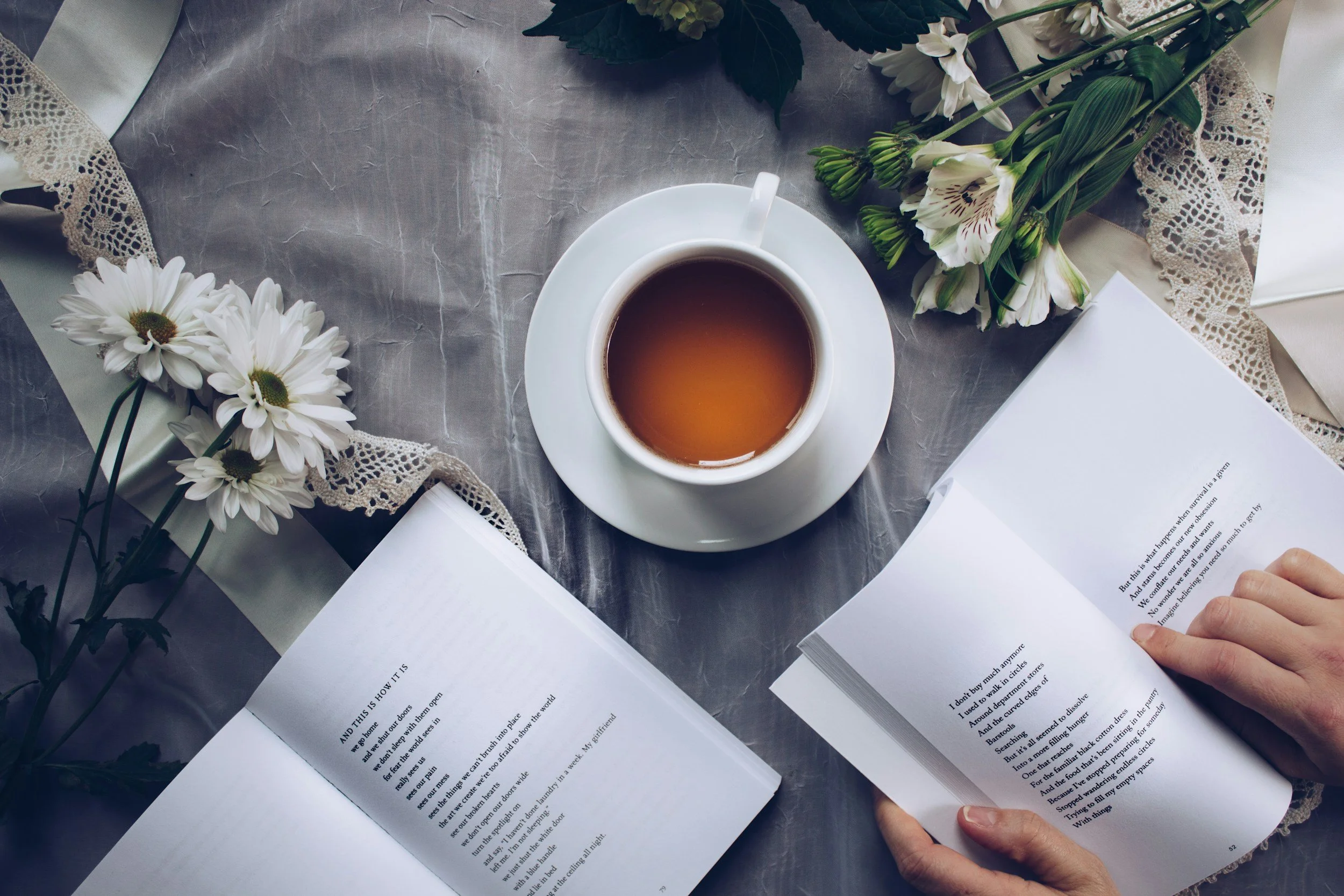
Some of my favourite hobbies are the ones that feel comforting and familiar, the ones that don’t demand anything from me, but still give me that little spark of pleasure. I love watching and bingeing my favourite series and programmes, especially on the days when my body says “absolutely not” to anything more ambitious. Reading has become a kind of gentle escape hatch, and slow-flow yoga is my way of reminding my body that it can still move, even if it’s in careful, slow-motion ways. I’m also a total health-and-beauty tinkerer, new serums, gentle routines, anything that makes me feel a bit more like me. And honestly, nothing boosts my mood more than spending time with my hubby, my children, and my dogs; they keep my world soft and warm even when I’m stuck indoors. And of course, there’s blogging, this funny little corner of the internet where I get to pour out my thoughts, make sense of my days, and feel connected to people who just get it.
If there’s anything chronic illness has taught me, it’s that joy has to be collected in small moments. Hobbies help you find those moments. They give you permission to enjoy something, even when you’re stuck at home, even when your body feels uncooperative, even when the world feels like it has moved on without you.
So if you’re chronically ill or housebound and you’ve been feeling a little lost, maybe give yourself space to explore something tiny and gentle. Something that makes your brain spark or your heart soften, something that reminds you that your inner world is still alive and deserving of attention. Your hobby doesn’t need to be impressive. It just needs to be yours.
And honestly, that’s enough to make a day feel less like something you endure and more like something you lived.
About me
I am a married mother of four children. One of those four children is our granddaughter, for whom we are SGO (legal guardians)/kinship carers. I run a small business and enjoy writing, so I blog. My blog focuses on my family life as well as my experiences of living with chronic illnesses and disabilities such as ME/CFS, spinal stenosis, chronic pain, and fibromyalgia. Oh, and I am only in my mid-40s.