
5 Common DIY and Renovation Mistakes That Can End Up Being Costly
The True Cost of a DIY Disaster: 5 Mistakes to Avoid
Every year, homeowners across the UK dive into renovation projects that quickly turn into virtual minefields. Driven by a desire to save money or add personal flair, many take on upgrades that are far more complex than they realize.
The problem? Most of us are getting our expectations from home renovation shows that gloss over the true costs and technical difficulties of property work. While these shows make a full-room overhaul look like a weekend task, the reality involves intricate plumbing, precise electricals, and strict building codes.
If you’re looking for a project that is easy to manage, we previously covered several 'DIY Trends' that are budget-friendly and won't break the bank. However, for the bigger "meat and potatoes" of home renovation, you need to be careful. Before you pick up a sledgehammer or buy that expensive new suite, here are five common DIY blunders that could cost you thousands if handled incorrectly.
1. Neglecting the Project Schedule
One of the most common mistakes is failing to create, and stick to a realistic timeline. Planning a home renovation should be taken seriously; proper time must be allotted for the inevitable upheaval, especially during large-scale works.
Bathroom & Kitchens: Expect at least 5 months for major work involving piping, electricals, and cabinetry. (Always ensure you have a backup bathroom!)
Loft Conversions: Typically require 6–7 months.
Home Extensions: Plan for at least 7+ months.
Rushing the process or failing to time your steps properly often leads to "tradesman friction" where you have to reschedule electricians, tilers, or plumbers at the last minute, usually resulting in hefty cancellation fees or project delays.
2. Prioritising Style Over Kitchen Layout
The kitchen is one of the most popular renovation projects, but it is also where most issues arise. Homeowners often prioritise aesthetic design over day-to-day practicality. Love Property recommends starting with the basics and building your design around what is possible, rather than what simply looks pleasing in a showroom.
If you must move your plumbing, it is essential to hire a professional plumber for advice before rearranging your sink or installing new piping. Attempting this yourself can lead to long-term costs that far outweigh the initial savings. HomeServe notes how burst pipes are a common occurrence and can be extremely costly to fix. A professional ensures your water pressure is correct and helps you avoid these expensive plumbing disasters.
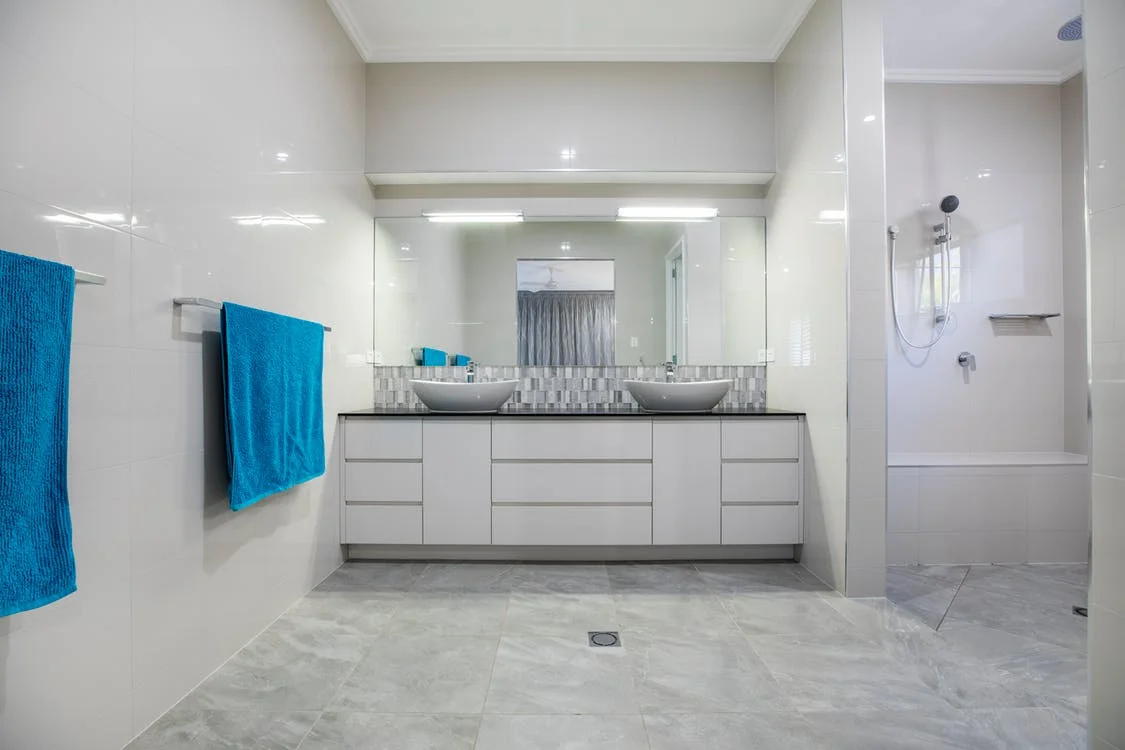
3. Misplacing Bathroom Drainage
This is a very common mistake and it happens a lot in DIY bathroom projects. It’s generally due to poor planning and not taking the correct measurements. Apart from garden makeovers, ‘Renovation Projects’ website explains that bathrooms are the second most popular in-home renovation projects in the UK. And unsurprisingly this is another area where blunders happen, particularly when DIYers move fixtures without knowing where their pipes actually run. Before you start drilling or moving a toilet, it is wise to hire a professional Drainage Company to perform a survey. This ensures you know exactly where your existing lines are located, helping you avoid the poor alignment and bad odours that come from misplaced drainage.
4. Attempting Unqualified Electrical Work
Unless you are a qualified electrician, any job involving complicated or potentially dangerous wiring should be left to the professionals. Attempting electrical work on your own is often a recipe for disaster.
A common issue involves incorrectly splicing wires; while they might function for a short period, they will eventually come loose and create a serious fire hazard. A professional knows exactly what gauge of cable is required and where they must be installed within the walls to meet building regulations. They can also advise on your home’s future power requirements and outlet placement. Playing around with electricity is never advisable, so ensure you take these alterations seriously.
5. Risking Unsafe Structural Alterations
Any alterations to load-bearing walls, lintels, columns, chimney breasts or buttresses, or even cutting out roof timber without compensation for the changes can lead to major disasters. While your house may not collapse, Homebuilding and Renovating explain that it can cause all sorts of problems, from warped floors, stuck windows to partially collapsed walls or chimney stacks, among others.
Additionally, any alterations to the building’s structure require an inspection to ensure that it won’t collapse and it’s up to code. Therefore, it’s best to hire an experienced builder to identify which elements are structural and how to alter them safely.
The Bottom Line: Don't Let Your DIY Become a 'DI-Don't'
Renovating your home should be an exciting milestone, not a source of financial stress or structural danger. While the "DIY itch" is strong, especially when inspired by TV transformations, knowing when to pick up a hammer and when to pick up the phone is the most valuable skill a homeowner can have.
Quick Recap: Your Renovation Checklist
Time: Allot at least 5–7 months for major works like kitchens or extensions.
Precision: Always perform a site survey before moving drainage or knocking down walls.
Safety: Electrical and structural work are non-negotiable; use certified pros.
Budget: Add a 10-15% "buffer" to any quote for the hidden "minefields" found behind walls.
Ultimately, a successful renovation isn't just about the finished look, it’s about ensuring the work behind the tiles and under the floorboards is done correctly. By avoiding these five common blunders, you’ll ensure your home stays beautiful, functional, and most importantly, safe for years to come.
Final Tip: Before you start your next project, document your current layout. Having clear photos or professional surveys of your existing services can be the difference between a smooth upgrade and a costly disaster.