Why choosing the right footwear matters for your child's future
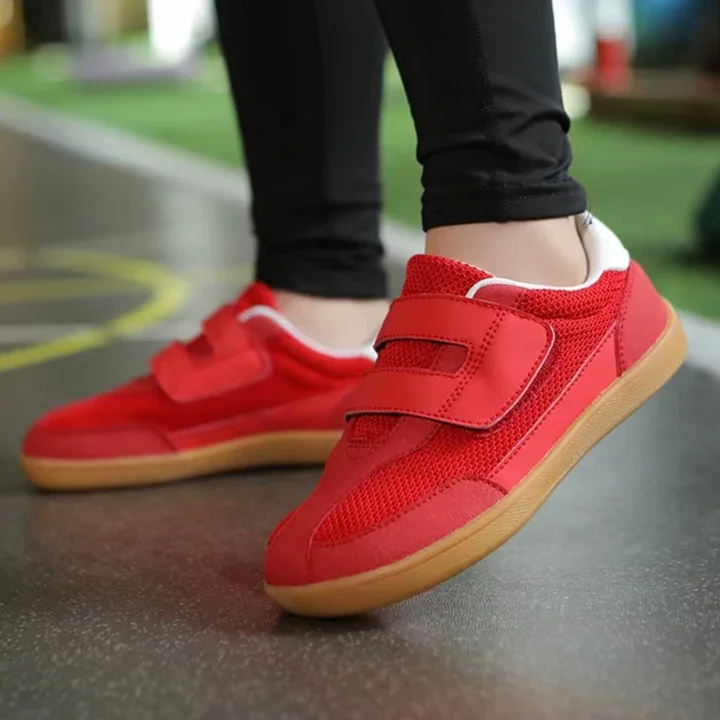
The journey of a thousand miles begins with a single step, but for a developing child, the quality of those first few thousand steps can shape their physical health for a lifetime. Modern research into paediatric podiatry suggests that the foundation of a healthy adult gait is built during the first decade of life, a period when the bones in the feet are still soft and the arches are actively forming. To support this natural growth, many parents and specialists are now turning toward barefoot shoes for kids as a way to preserve the foot's innate mechanics while providing protection from the elements. This shift represents a move away from rigid, heavily cushioned footwear that often restricts movement, toward a design that respects the complex anatomy of a growing foot.
The science of natural foot development
A child's foot is not just a smaller version of an adult's. It is a highly flexible structure made largely of cartilage that gradually ossifies into bone. Because the foot is so malleable, it is incredibly sensitive to the environment it is placed in. Conventional shoes often feature a narrow, tapered front—known as the toe box—which can squeeze the toes together, potentially leading to misalignments like bunions or weakened arches later in life.
In contrast, minimalist footwear is designed to mimic the experience of being barefoot. This means providing a wide toe box that allows the toes to splay naturally. When a child can spread their toes, they create a wider base of support, which is essential for improving balance and stability during the high-energy activities of childhood, such as running, jumping, and climbing.
The role of sensory feedback and proprioception
One of the most overlooked aspects of child development is proprioception, or the body's ability to sense its position and movement in space. The soles of a child's feet are packed with thousands of nerve endings that send constant data to the brain about the texture, slope, and temperature of the ground.
Traditional shoes with thick, padded soles act like a sensory deprivation chamber for the feet. By dampening these signals, they force the brain to guess the terrain, which can lead to a heavier, more "clunky" walking style. By choosing shoes with thin, flexible soles, parents allow their children to "feel" the ground. This constant feedback loop helps refine motor skills and encourages a natural gait pattern, where the child learns to land softly on the mid-foot rather than slamming their heel into the pavement.
Strengthening the foot from the inside out
Muscles only grow strong when they are required to work. In a standard shoe with built-in arch support, the internal muscles of the foot (the "foot core") can become lazy because the shoe is doing all the heavy lifting. Over time, this reliance on external support can contribute to fallen arches or general foot fatigue.
Barefoot-style shoes lack these artificial supports, requiring the child’s foot to stabilize itself. This active engagement strengthens the tendons and ligaments, building a resilient foot structure. Furthermore, most barefoot designs are zero-drop, meaning the heel and the forefoot are at the same height. This level profile ensures that the child’s centre of gravity remains neutral, preventing the forward-leaning posture and shortened Achilles tendons that can be caused by even a slight heel lift in traditional sneakers.
How to manage the transition
If your child has spent most of their life in traditional, structured footwear, jumping immediately into a 100% barefoot lifestyle might feel a bit strange at first. While children's feet are remarkably adaptable, a gradual transition is often the most comfortable path.
Start with "indoor" barefoot time: Encourage your child to go completely barefoot at home. This is the simplest way to wake up the muscles and nerves.
Choose the right fit: When purchasing new shoes, ensure there is about 10-12mm of extra space in front of the longest toe. This allows for the "extension" of the foot that happens naturally during a stride.
Monitor the wear time: Start by having them wear their new flexible shoes for a few hours a day, gradually increasing the duration as their feet and calves get used to the increased workload.
Incorporate varied terrains: Take them to a park with grass, sand, or woodchips. These uneven surfaces provide the best "workout" for developing feet and help sharpen their coordination.
Beyond the physical: Confidence and movement
There is a psychological component to how children move when they feel connected to the earth. Watch a child in barefoot shoes navigate a playground; they often appear more confident and agile. Because they have a better "grip" on the world through their toes and can feel the edges of the structures they are climbing, they develop a more intuitive sense of their own physical limits and capabilities.
This increased agility often translates to a greater love for movement in general. When shoes don't feel like heavy weights or restrictive boxes, physical activity becomes more enjoyable and less fatiguing. In an era where sedentary lifestyles are a growing concern, anything that makes active play more natural and comfortable is a significant win for long-term health.
A foundation for a lifetime of health
The choices made during the early years of a child's life set the stage for their adult physical health. By prioritizing footwear that allows for natural growth, sensory engagement, and muscular strength, you are giving your child a gift that lasts far beyond their toddler years. While the market for children's shoes is filled with colourful designs and flashy features, the most advanced technology for a growing foot is actually the foot itself. Supporting it with a "less is more" philosophy ensures that those first steps lead toward a future of strength, balance, and freedom of movement.